Why the Loss of Norfolk Meant Doom for CSS Virginia
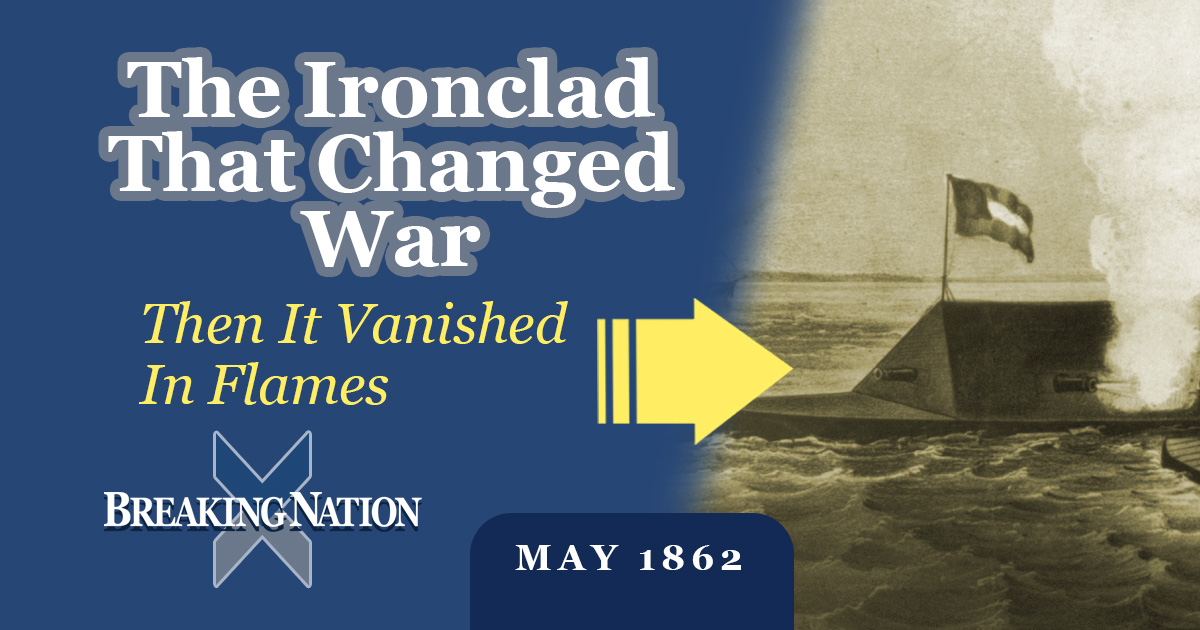
The Union occupation of Norfolk on May 10, 1862, and the subsequent loss of the ironclad CSS Virginia the following day marked a decisive turning point in the naval and strategic balance of the American Civil War. These twin events effectively ended Confederate hopes of contesting Union dominance in the lower Chesapeake and had ripple effects far beyond coastal Virginia.
Norfolk, Virginia—home to the Gosport Navy Yard—was the Confederacy’s most important naval industrial site. Its capture by Union forces under John E. Wool came not through a direct assault, but as a consequence of earlier Union successes, particularly the fall of nearby positions like Sewell’s Point. Once Confederate General Benjamin Huger recognized that Norfolk could no longer be defended, he ordered an evacuation, effectively ceding the city without a fight. This bloodless but strategically potent victory handed the Union a vital port and shipyard, while depriving the Confederacy of critical manufacturing and repair capabilities.
The loss of Norfolk placed the Confederacy in an untenable position regarding its most famous warship, the CSS Virginia. Commanded by Josiah Tattnall, the ironclad had already demonstrated its power during the Battle of Hampton Roads, where it dueled the Union’s USS Monitor in a revolutionary clash of armored vessels. However, the Virginia’s deep draft made it impossible to retreat upriver to safety, and with Norfolk gone, it lacked both a base of operations and the logistical support needed to remain viable.
Faced with capture or uselessness, Tattnall made the difficult decision to destroy the ship. On May 11, 1862, the Virginia was run aground near Craney Island and set ablaze; its magazine was then detonated, sending the ironclad to a fiery end. The destruction of the Confederacy’s most formidable naval asset was both a symbolic and practical blow. It eliminated the only serious threat to Union naval supremacy in the region and ensured that the James River and Chesapeake Bay would remain firmly under Federal control.
Strategically, these events opened the way for Union operations against Richmond via the James River, complementing George B. McClellan’s Peninsula Campaign. Although the campaign would ultimately falter, the removal of the Virginia and the capture of Norfolk deprived the Confederacy of a key defensive shield and logistical hub.
In sum, the occupation of Norfolk and the loss of the CSS Virginia underscored how control of infrastructure and naval power could decisively shape the course of the war. Together, they marked the collapse of Confederate naval ambitions in one of the war’s most strategically vital theaters.
Breaking Nation: A Civil War Podcast explores the American Civil War, its turning points, and our national memory. Discover full episodes, transcripts, and resources at www.breakingnation.com — your destination for in-depth Civil War podcast content and fresh perspectives on America’s past. Listen on Apple Podcasts, Spotify and Amazon Music.
The Battle of Iuka: Grant’s Battle That Almost Failed