The Peninsula Campaign’s First Real Test: Williamsburg
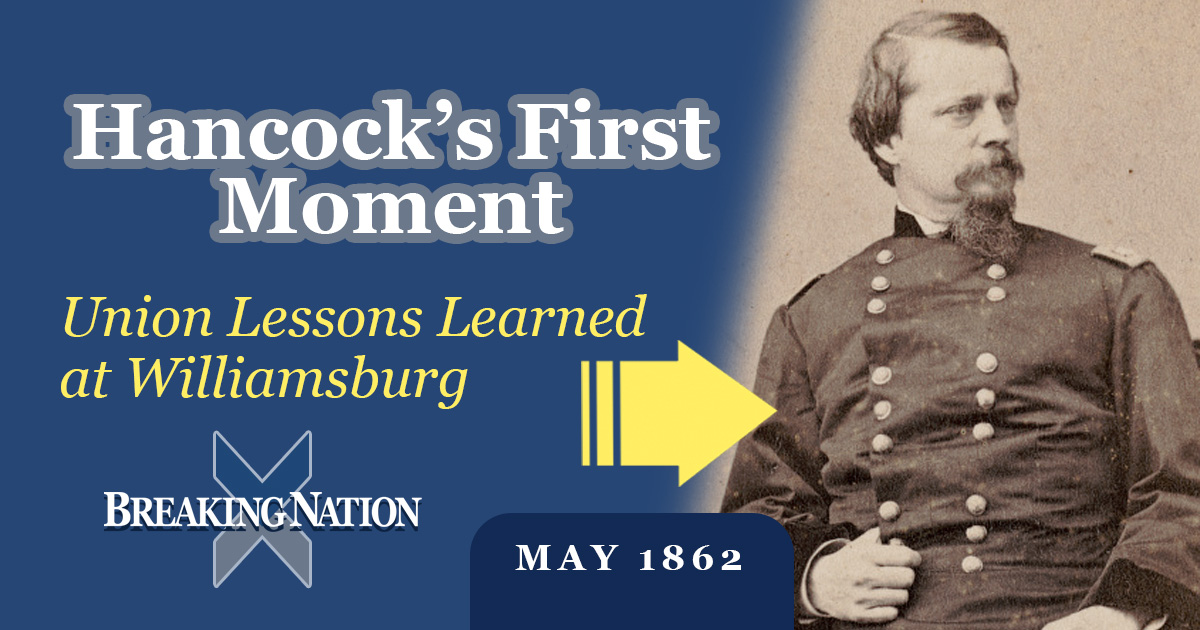
The Battle of Williamsburg, fought on May 5, 1862, occupies an important if sometimes underappreciated place in the Peninsula Campaign. Coming on the heels of the Confederate evacuation of Yorktown, the battle was less a set-piece clash than a confused, rain-soaked rear-guard action. Yet its significance lies precisely in what it revealed: the growing pains of the Union army under George B. McClellan, the resilience of Confederate resistance under Joseph E. Johnston, and the emergence of capable subordinate commanders such as Winfield Scott Hancock.
Strategically, Williamsburg demonstrated that the Confederate withdrawal from Yorktown was not a rout but a deliberate, skillful maneuver. Johnston used the terrain and a chain of fortifications, most notably Fort Magruder, to slow the Union pursuit and buy time for his army to fall back toward Richmond. This delay mattered. It disrupted McClellan’s hope of rapidly seizing the Confederate capital and underscored a recurring theme of the campaign: Union numerical superiority did not automatically translate into operational decisiveness.
On the Union side, the battle exposed command inefficiencies. McClellan himself was not present on the field for much of the fighting, leaving corps and division commanders to operate with limited coordination. The resulting attacks were piecemeal and costly. Still, the army showed a willingness to press forward under difficult conditions, suggesting a growing aggressiveness that had been lacking earlier in the war.
Within this broader context, Hancock’s performance stands out sharply. Commanding a brigade on the Union right, Hancock advanced to seize a series of redoubts that had been lightly held by Confederate forces. His decision to occupy and fortify these positions was tactically astute: it threatened the Confederate flank and forced them to respond. When Confederate brigades counterattacked, Hancock’s men held firm, delivering disciplined volleys that repulsed the assaults and inflicted significant casualties.
Hancock’s conduct at Williamsburg earned him the nickname “Hancock the Superb,” reportedly bestowed by McClellan. While the moniker may carry a hint of theatricality, it reflects a genuine recognition of Hancock’s composure, initiative, and battlefield awareness. At a moment when Union command structures often faltered, Hancock demonstrated how clear judgment at the brigade level could shape the course of an engagement.
In sum, Williamsburg was not a decisive Union victory, but it was a revealing one. It highlighted both the limitations and potential of McClellan’s army, showcased effective Confederate delaying tactics, and introduced Hancock as a rising leader whose battlefield performance would continue to influence the war’s trajectory.
Breaking Nation: A Civil War Podcast explores the American Civil War, its turning points, and our national memory. Discover full episodes, transcripts, and resources at www.breakingnation.com — your destination for in-depth Civil War podcast content and fresh perspectives on America’s past. Listen on Apple Podcasts, Spotify and Amazon Music.
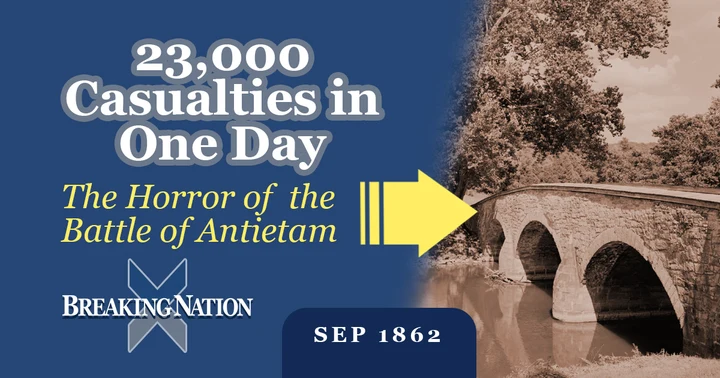
The Bloodiest Day: What Really Happened at Antietam