Blog Posts
Sept. 15, 2026
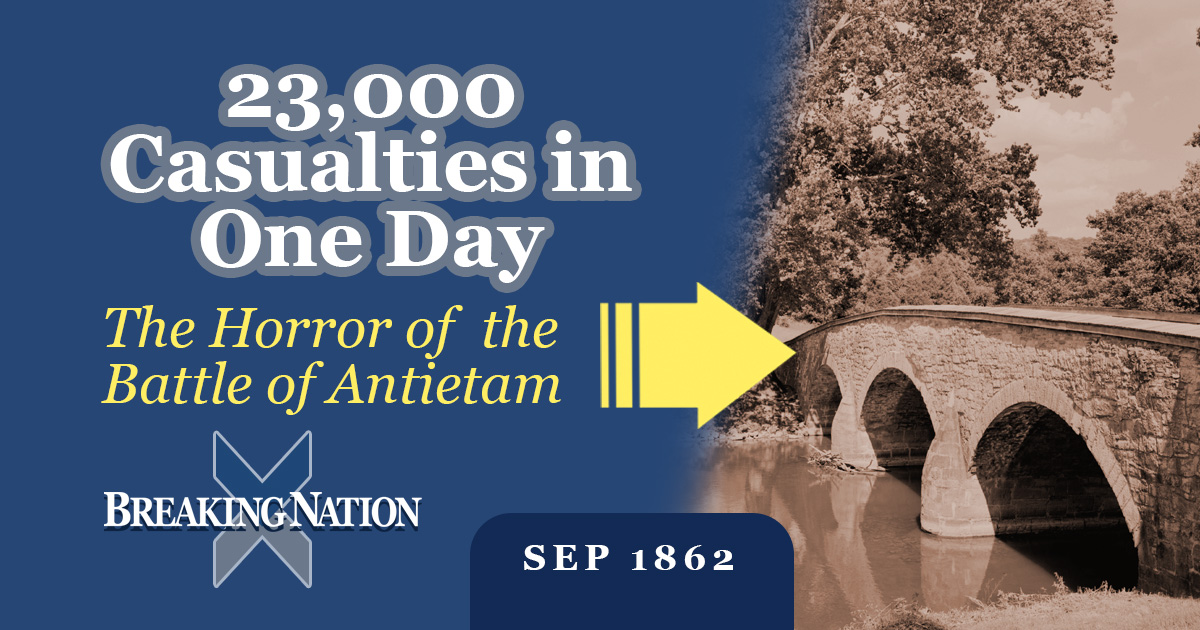
The Bloodiest Day: What Really Happened at Antietam
On September 17, 1862, roughly 100,000 soldiers collided near Sharpsburg, Maryland, in what became the bloodiest single day in American history. The Battle of Antietam was not a decisive military victory in the traditional sense. Robert E. Lee’s Arm…
Sept. 8, 2026
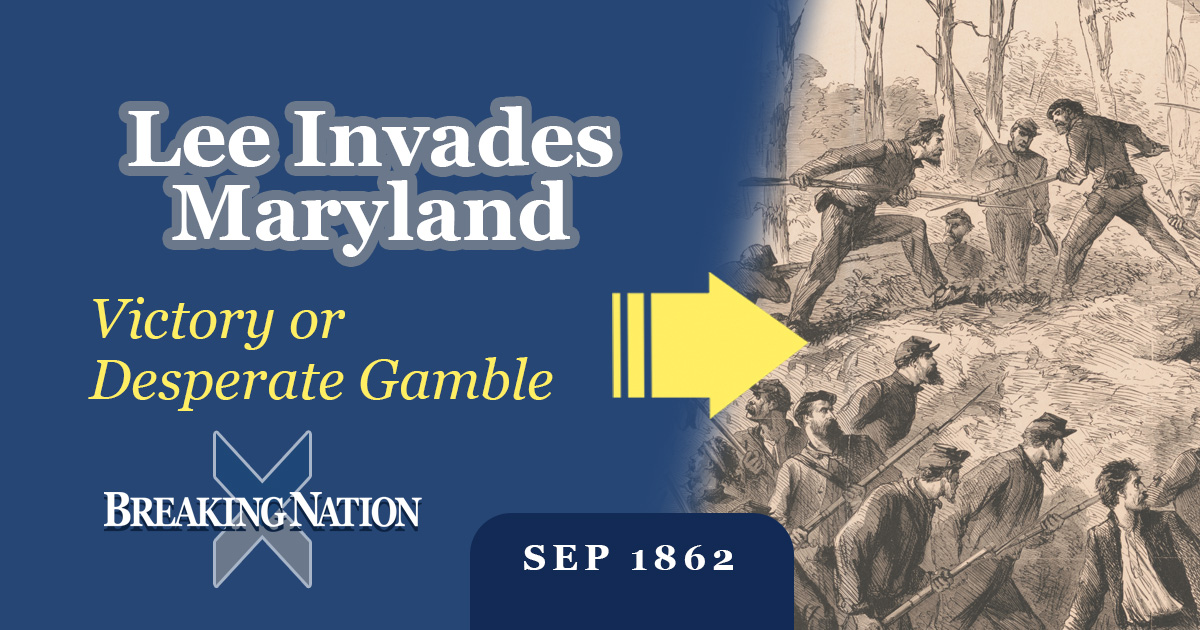
Lee Invades the North: The Gamble That Changed the Civil War
In September 1862, Robert E. Lee made one of the most consequential decisions of the Civil War: he took the Army of Northern Virginia across the Potomac River and into Maryland. Coming only weeks after the Confederate victory at Second Bull Run, the…
Aug. 25, 2026
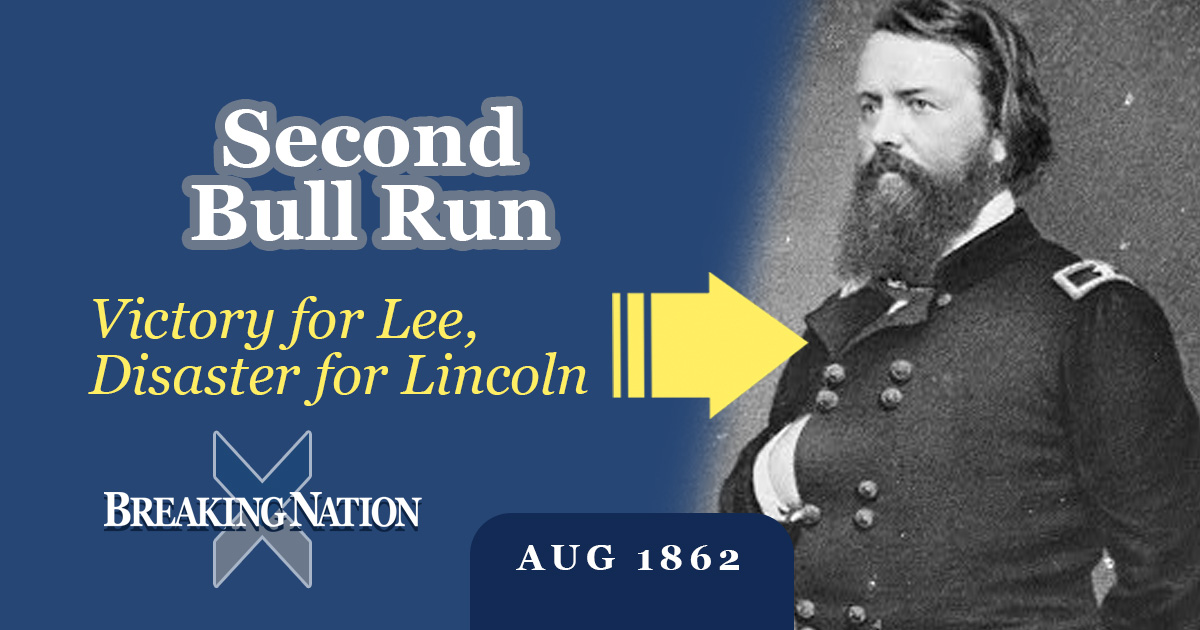
Second Bull Run: The Battle That Exposed Lincoln's Greatest Problem
The Second Battle of Bull Run (or Second Manassas), fought between August 28 and 30, 1862, was one of the Confederacy's greatest battlefield victories, but it was also a devastating reminder of a deeper problem plaguing the Union war effort: Preside…
Aug. 18, 2026
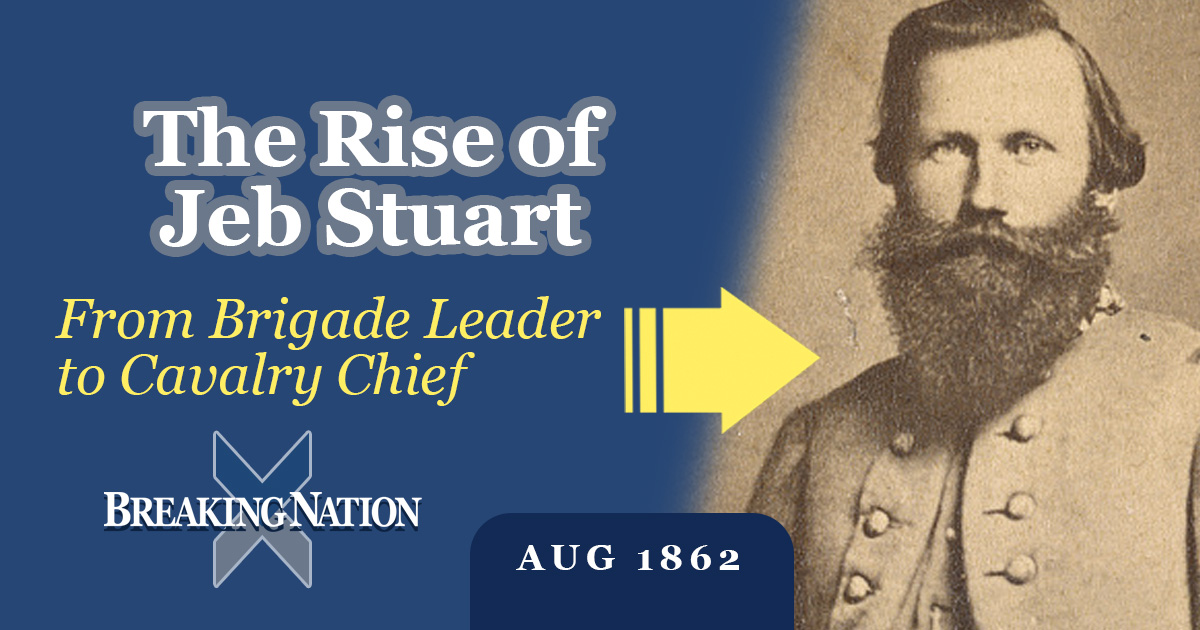
Why Robert E. Lee Chose Jeb Stuart to Command His Cavalry
On August 17, 1862, General Robert E. Lee made a decision that would shape the character and effectiveness of the Confederate Army of Northern Virginia for the remainder of the Civil War. By placing Major General J.E.B. Stuart in command of all the …
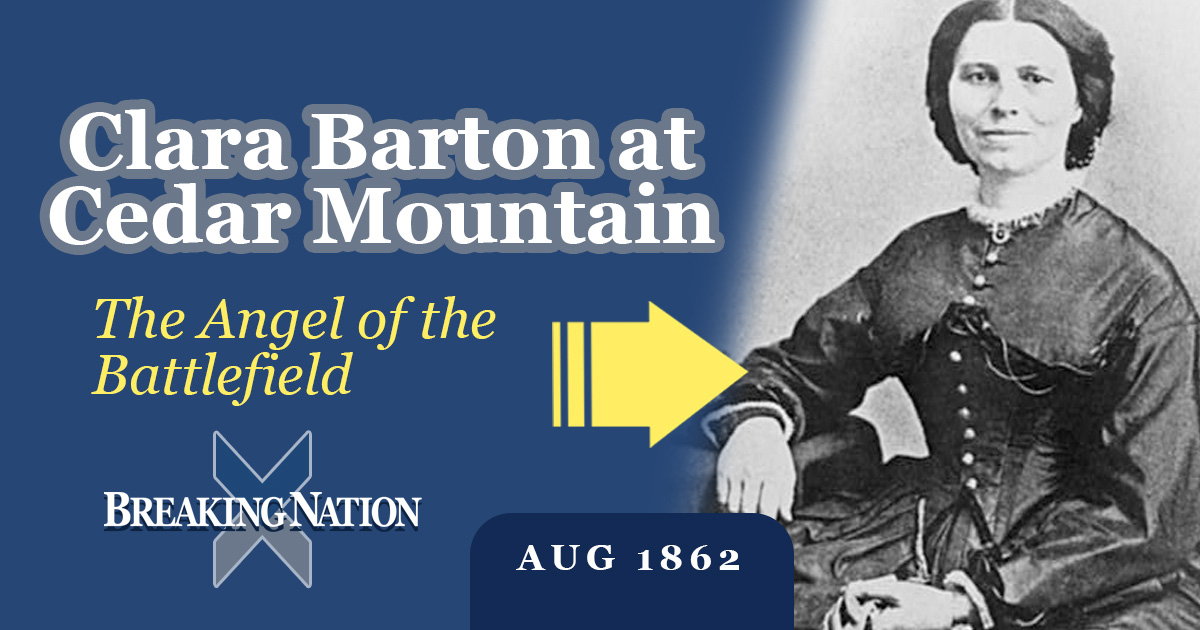
Aug. 11, 2026
The Battle That Changed Two Lives: Lee and Clara Barton
The Battle of Cedar Mountain, fought on August 9, 1862, is often remembered as the opening engagement of Robert E. Lee's Northern Virginia Campaign, but its significance extends well beyond military strategy. While the Confederate victory helped set…
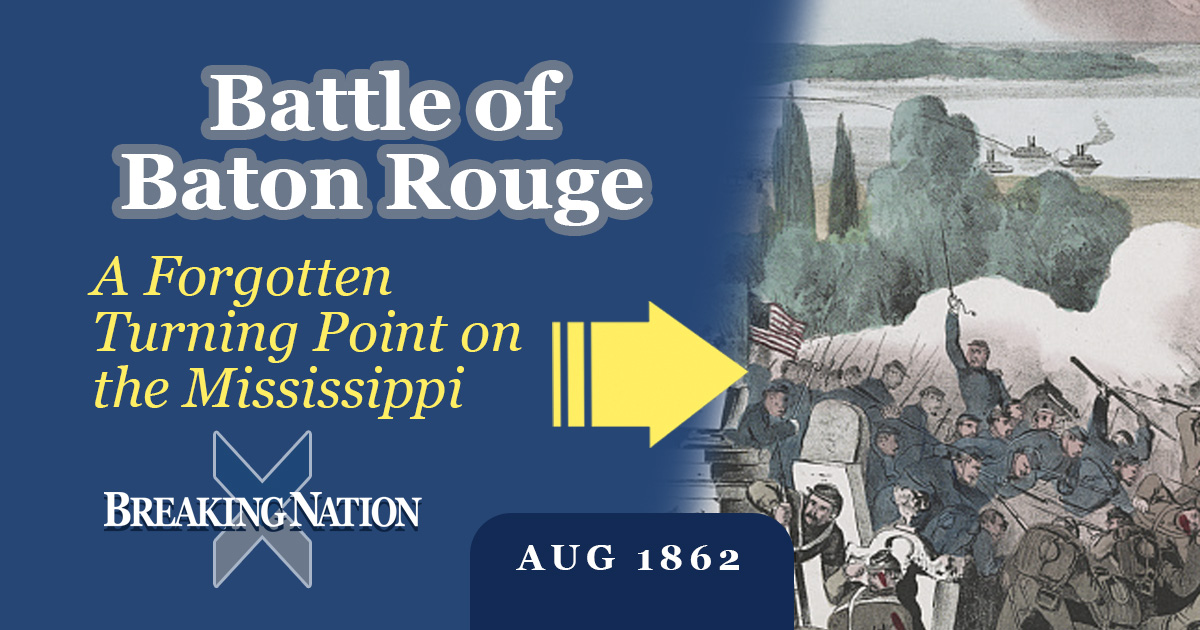
Aug. 4, 2026
The Battle That Ended the CSS Arkansas's Remarkable Run
The fighting at Baton Rouge on August 5, 1862, and the destruction of the Confederate ironclad CSS Arkansas the following day marked the collapse of one of the Confederacy's last serious attempts to challenge Union control of the lower Mississippi R…
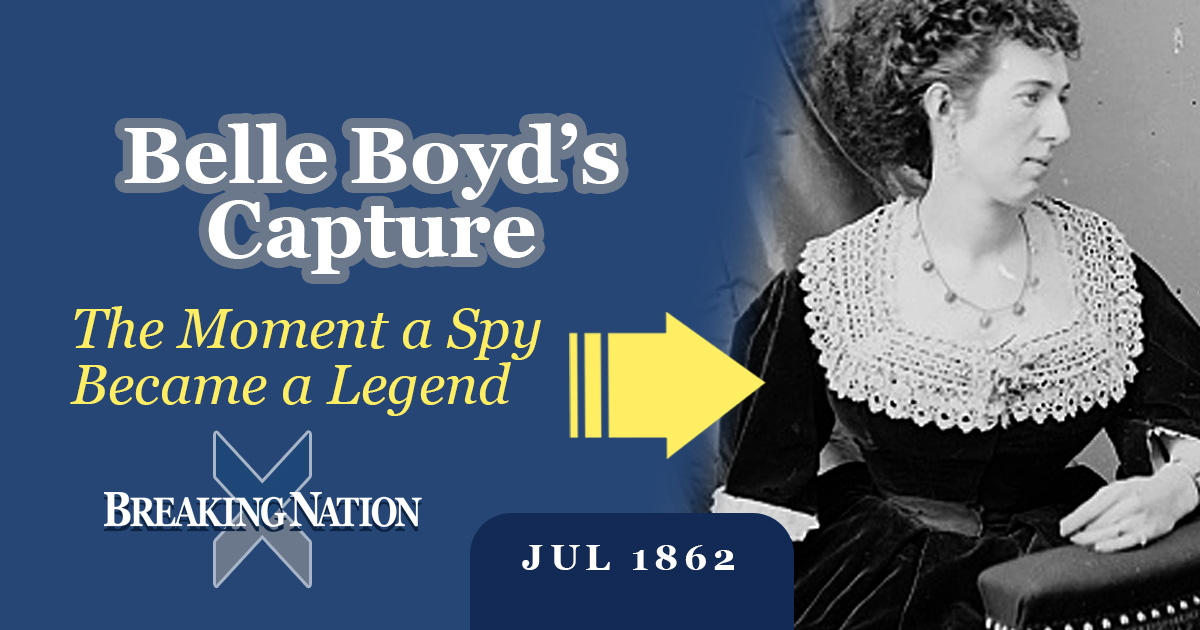
July 28, 2026
Belle Boyd Captured: The Confederate Spy Who Challenged the Union in 1862
On July 29, 1862, Confederate spy Belle Boyd was captured by Union forces near Warrenton, Virginia, marking one of the most famous episodes in the colorful—and often exaggerated—career of the Civil War's best-known female espionage figure. Although …
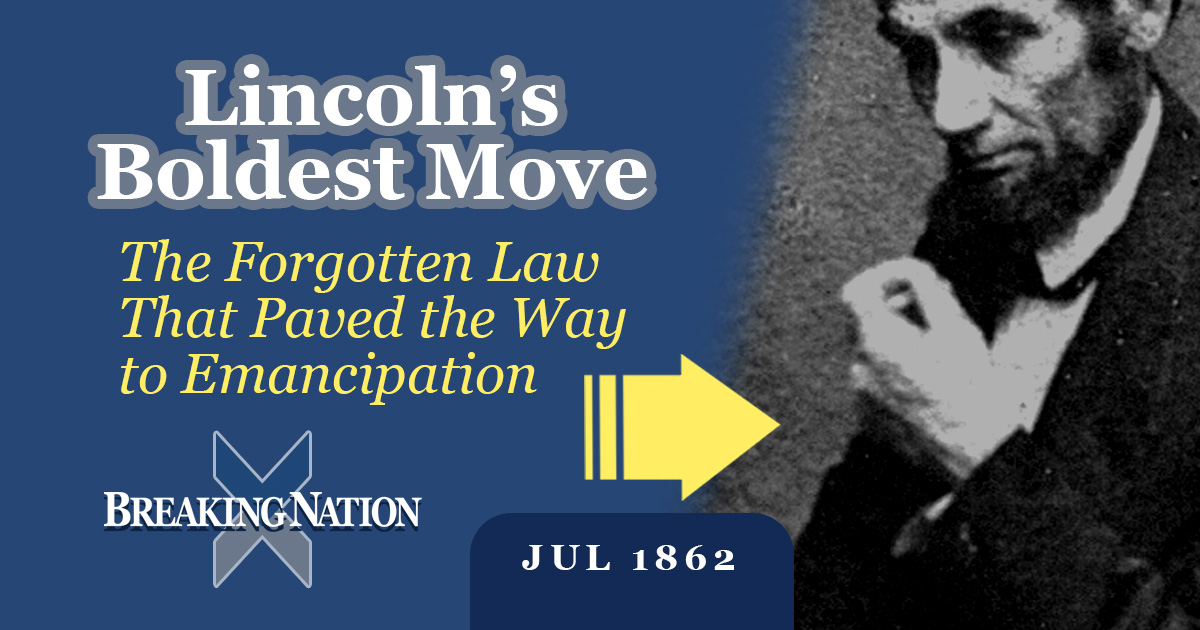
July 21, 2026
The Second Confiscation Act: The Forgotten Step Toward Emancipation
The Second Confiscation Act, signed by Abraham Lincoln on July 17, 1862, marked a turning point in the Union's conduct of the Civil War. Although the conflict had begun primarily as an effort to preserve the Union rather than abolish slavery, the le…
July 14, 2026
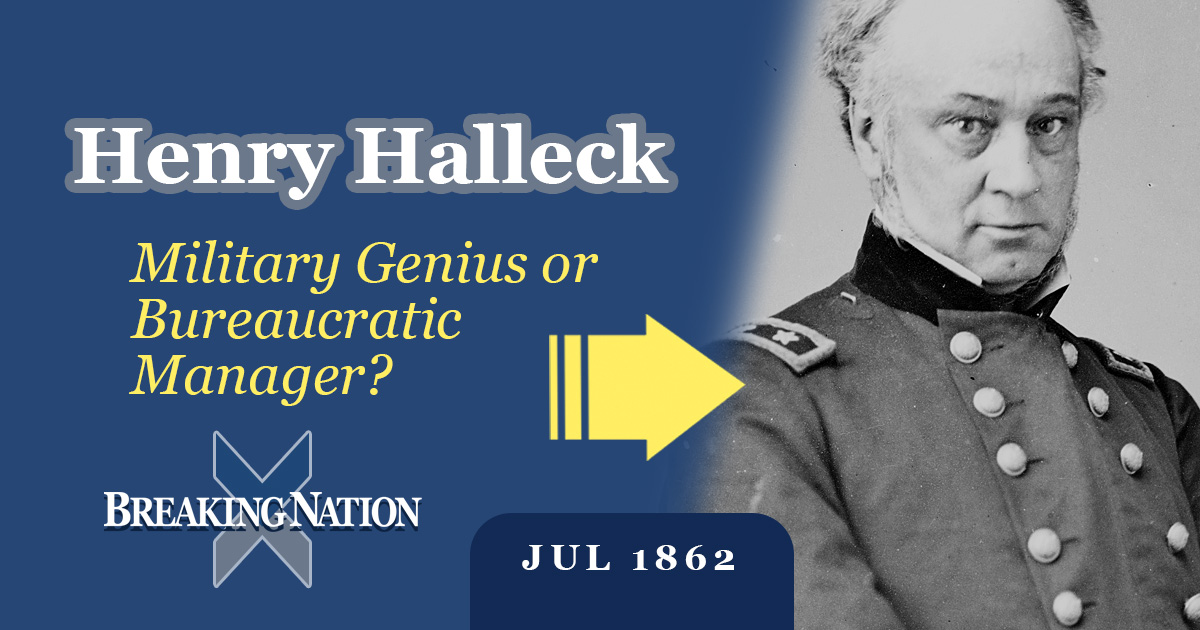
Lincoln’s July 1862 Gamble: Putting Halleck in Command
The appointment of Henry Wager Halleck as General-in-Chief of all Union armies on July 11, 1862, marked a significant turning point in the Union war effort. While Halleck himself is often overshadowed by more dynamic military figures such as Ulysses…
July 7, 2026
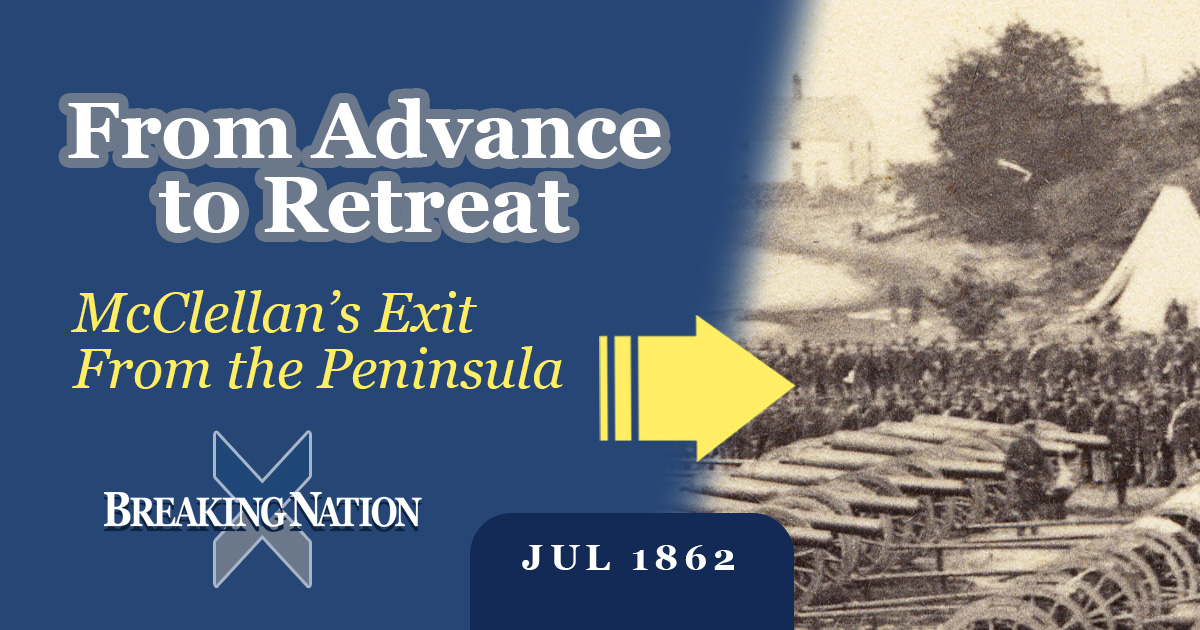
Retreat to the James: The End of Union Hopes on the Peninsula
The retreat of Union forces under George B. McClellan from the outskirts of Richmond in July 1862, following the Seven Days Battles, marked one of the most consequential operational failures of the early Civil War. It effectively ended the Peninsula…
June 30, 2026
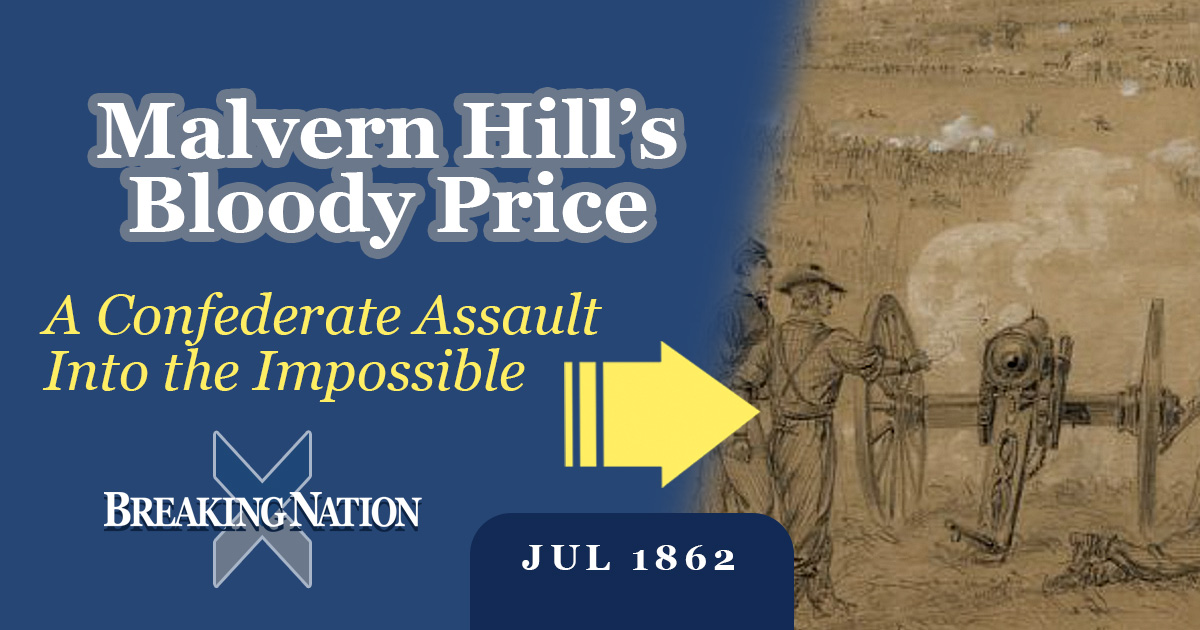
The Seven Days’ Most Uneven Fight: Malvern Hill Explained
The Battle of Malvern Hill, fought on July 1, 1862, remains one of the clearest examples of the difference between strategic success and tactical competence in the Civil War. While Confederate General Robert E. Lee is rightly celebrated for saving R…
June 23, 2026
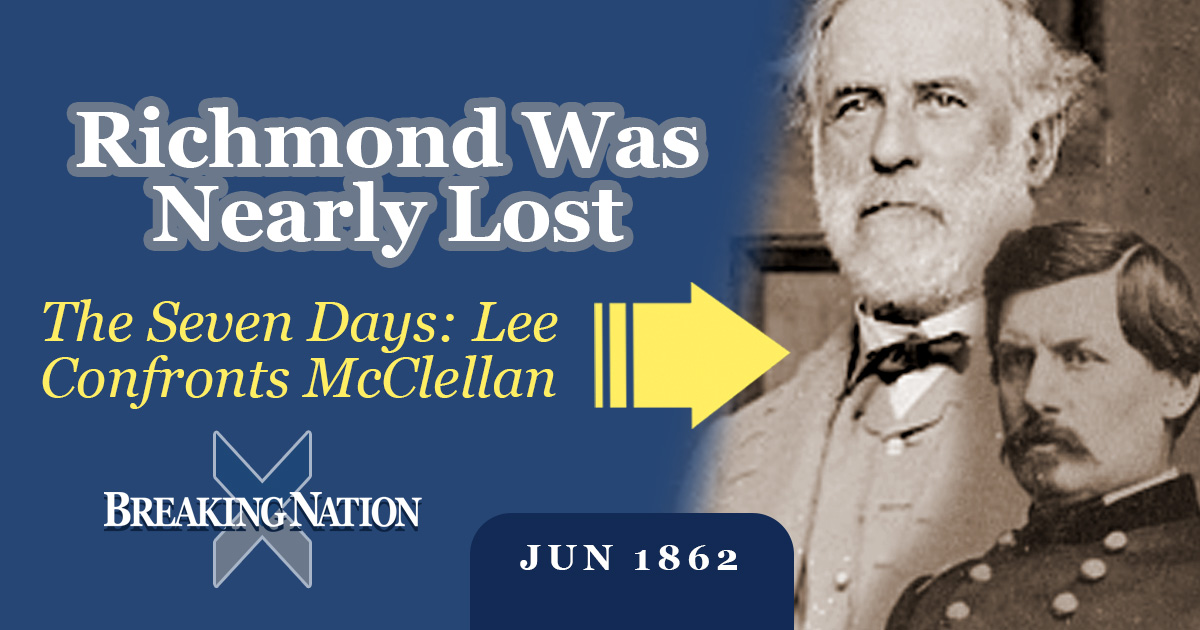
The Seven Days Campaign: Lee's Rise and the Union's Missed Chance
The Seven Days Campaign, fought from June 25 to July 1, 1862, marked one of the most important turning points of the American Civil War. Even before the climactic Battle of Malvern Hill, the campaign fundamentally altered the strategic direction of …
June 16, 2026
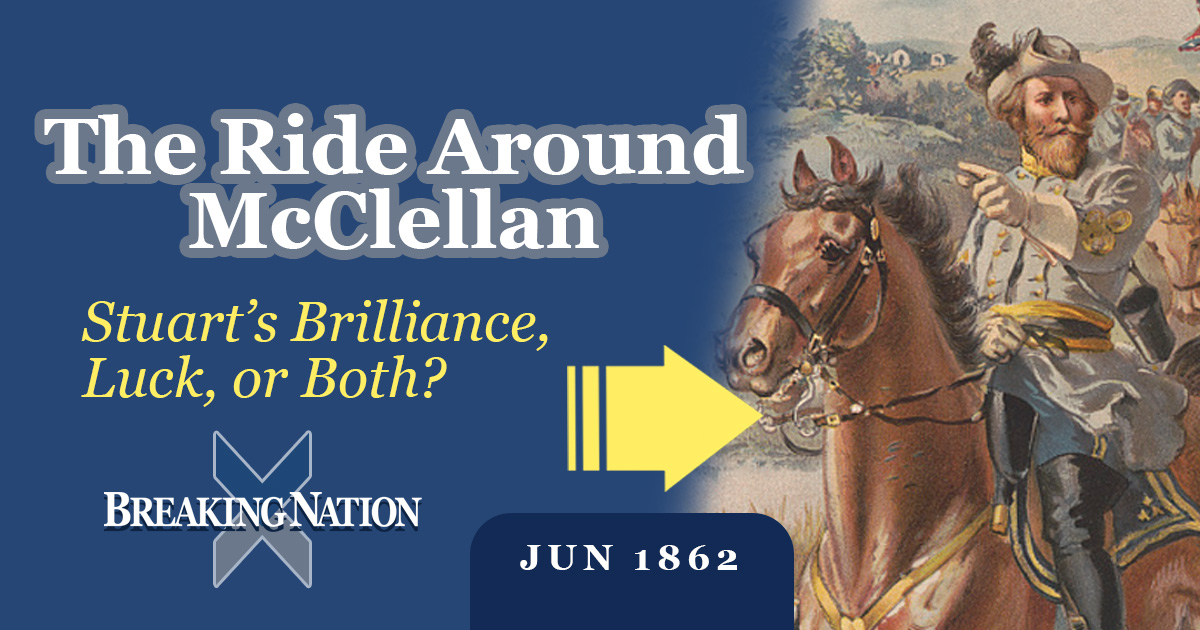
Jeb Stuart’s Greatest Gamble—and Why It Worked
J.E.B. Stuart’s famous ride around Union Major General George B. McClellan’s army from June 12–15, 1862, was one of the most celebrated cavalry operations of the American Civil War. Conducted during the early stages of the Peninsula Campaign, Stuart…
June 9, 2026
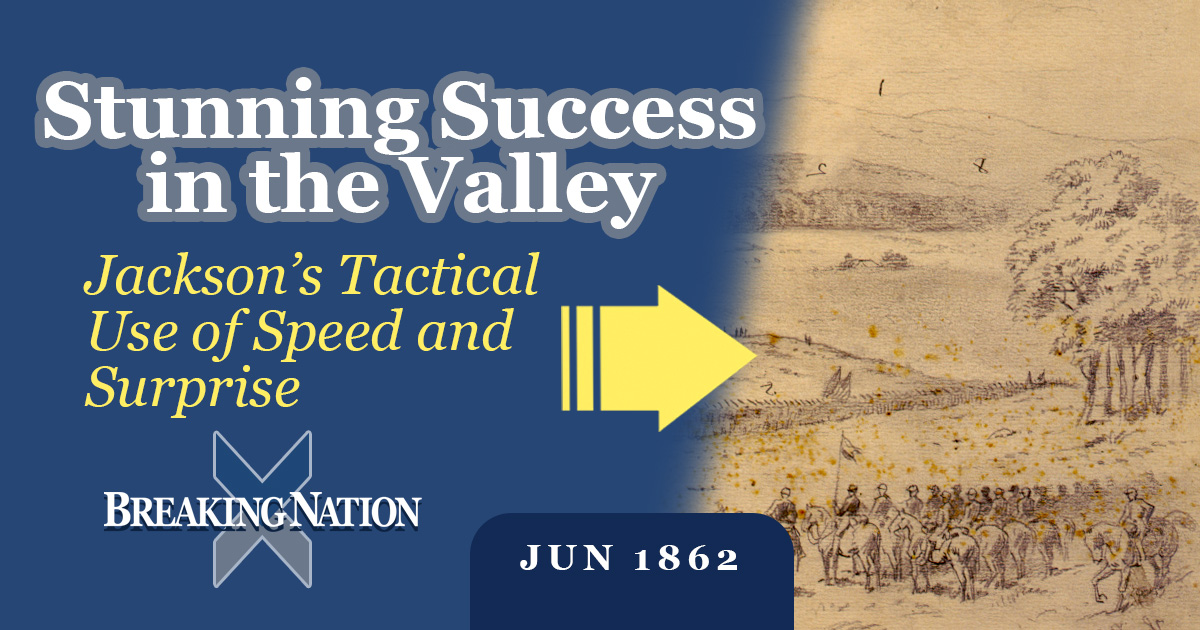
Why Cross Keys and Port Republic Matter More Than You Think
The twin battles of Cross Keys and Port Republic, fought on June 8–9, 1862, marked the dramatic conclusion of Confederate General Thomas J. Jackson’s celebrated Shenandoah Valley Campaign. Although neither battle ranks among the largest engagements …
May 26, 2026
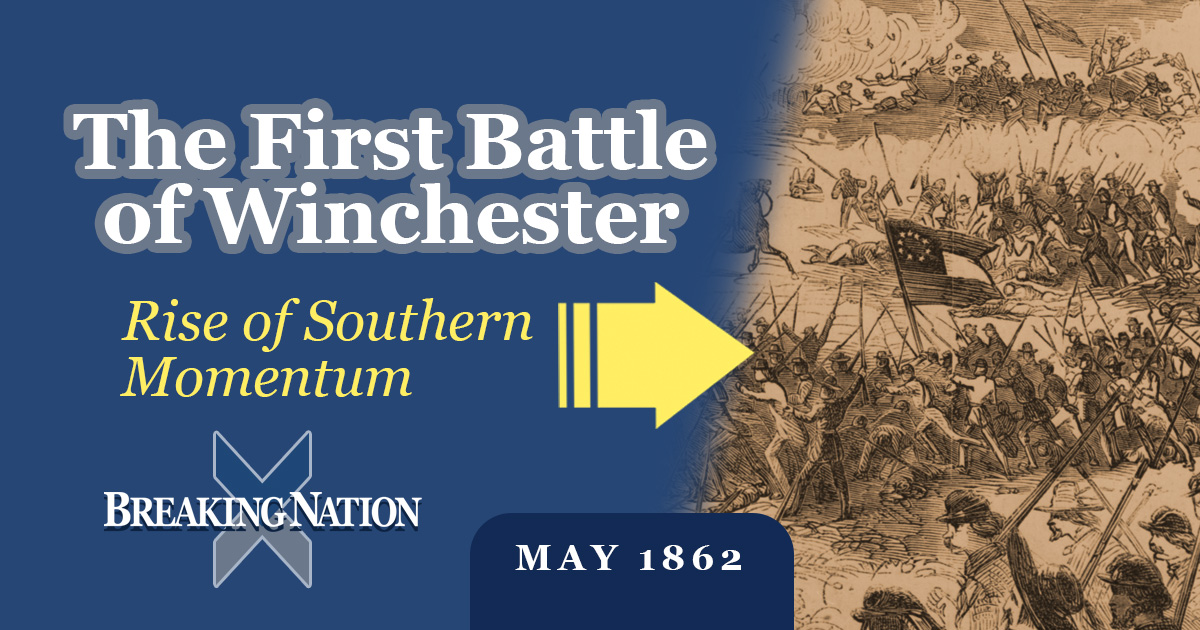
How Stonewall Jackson Shocked the Union at Winchester
The First Battle of Winchester, fought on May 25, 1862, was one of the defining moments of Confederate General Thomas J. “Stonewall” Jackson’s celebrated Shenandoah Valley Campaign. Though small in scale compared to later Civil War battles, Winchest…
May 22, 2026
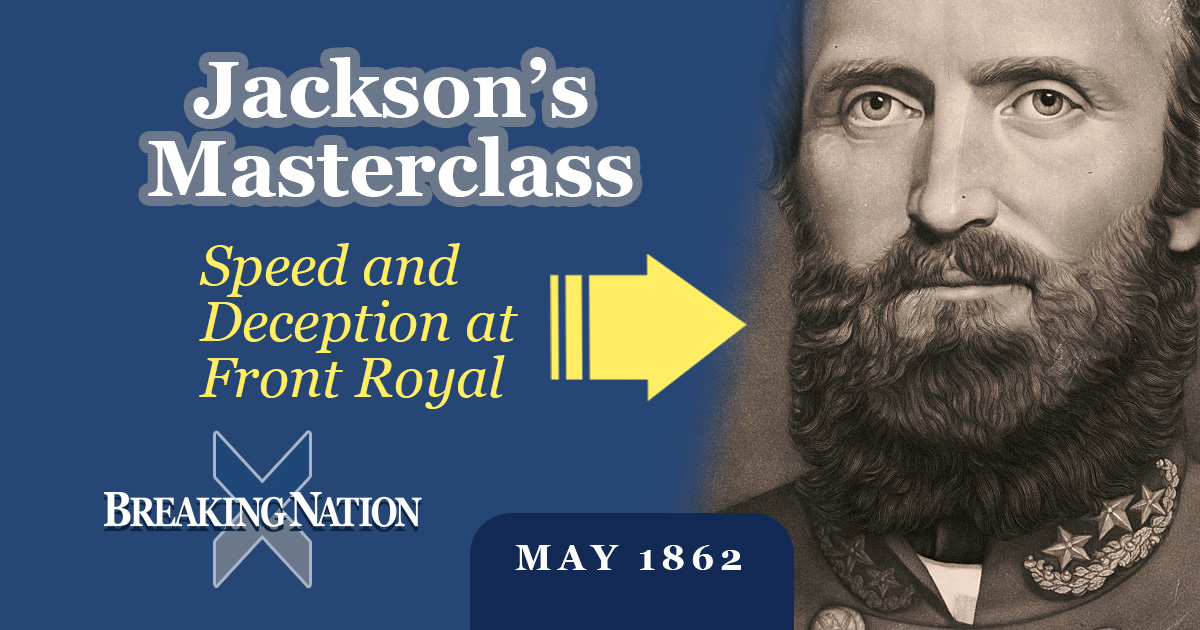
The Forgotten Civil War Battle That Shook Lincoln’s War Plans
The Battle of Front Royal on May 23, 1862, was one of the most dramatic turning points in Confederate General Thomas J. “Stonewall” Jackson’s famed Shenandoah Valley Campaign. Coming only two weeks after Jackson’s victory at the Battle of McDowell o…
May 12, 2026
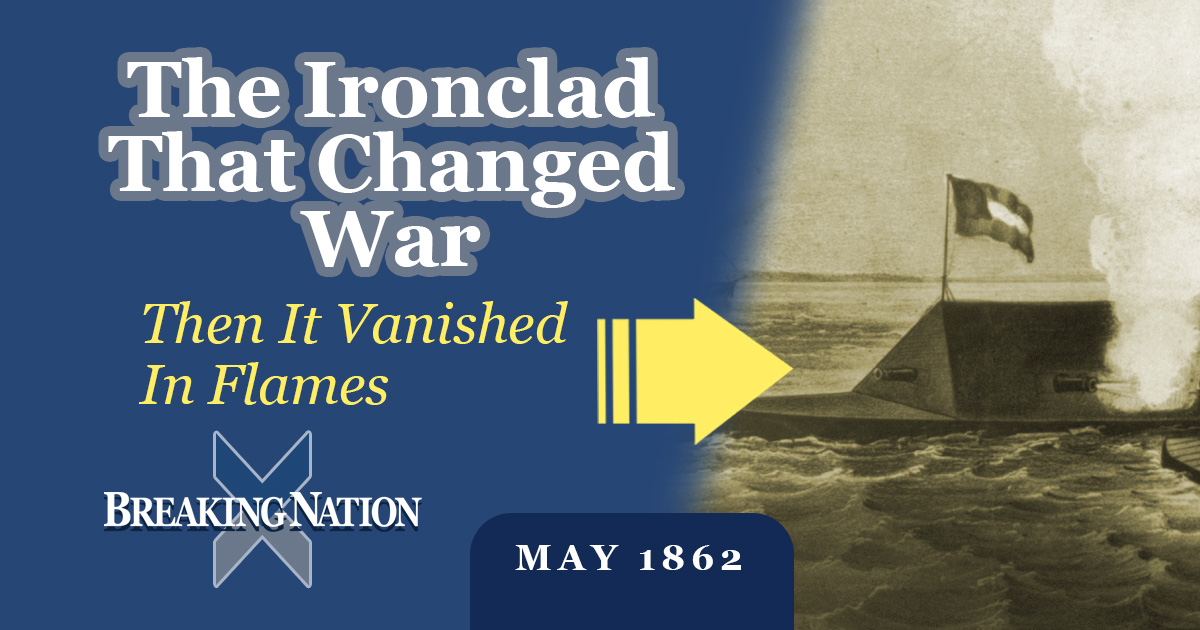
Why the Loss of Norfolk Meant Doom for CSS Virginia
The Union occupation of Norfolk on May 10, 1862, and the subsequent loss of the ironclad CSS Virginia the following day marked a decisive turning point in the naval and strategic balance of the American Civil War. These twin events effectively ended…
May 5, 2026
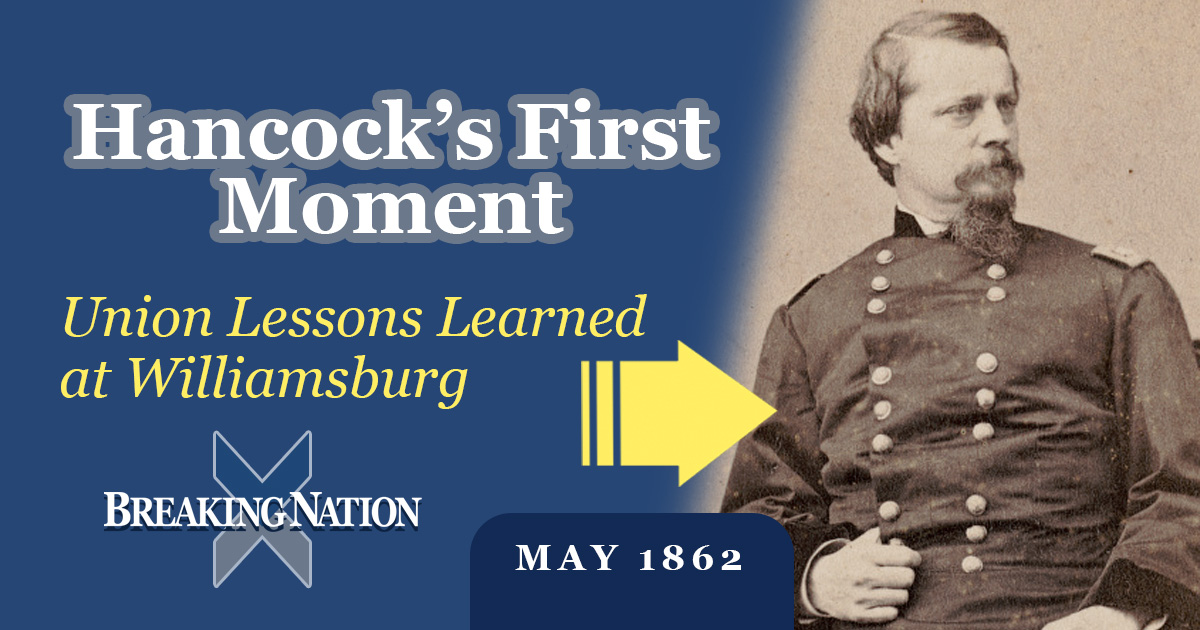
The Peninsula Campaign’s First Real Test: Williamsburg
The Battle of Williamsburg, fought on May 5, 1862, occupies an important if sometimes underappreciated place in the Peninsula Campaign. Coming on the heels of the Confederate evacuation of Yorktown, the battle was less a set-piece clash than a confu…
April 28, 2026
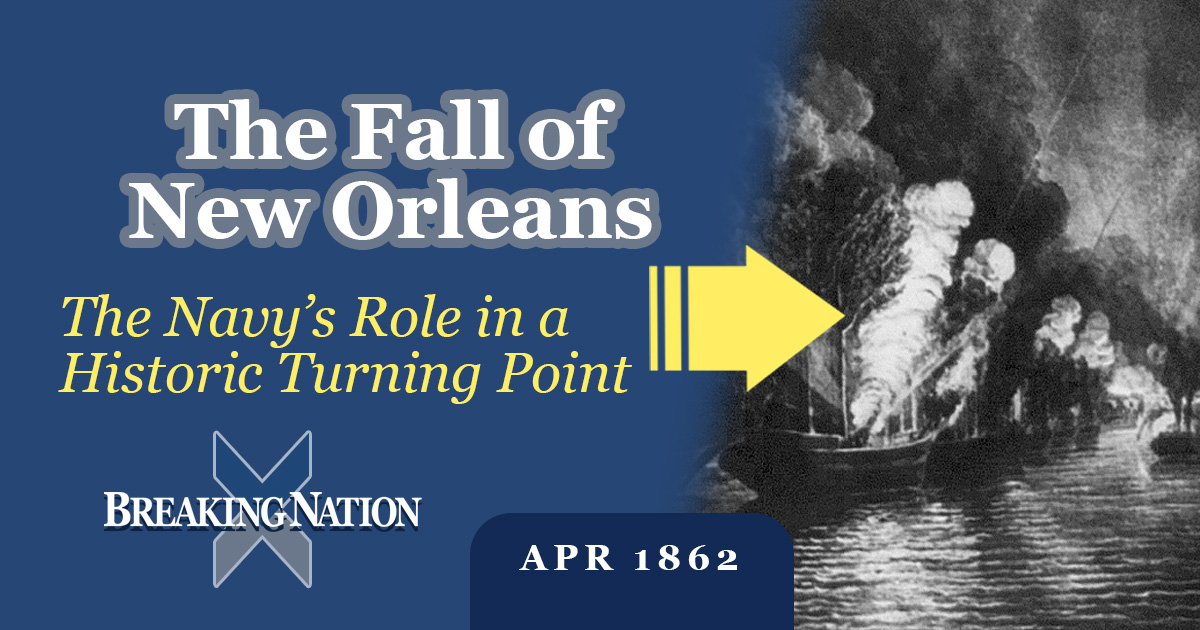
How New Orleans Fell Without a Massive Land Battle
The capture of New Orleans in 1862 marked one of the most significant turning points in the Civil War, both strategically and psychologically. New Orleans was the largest city in the Confederacy, a bustling port, and a commercial hub whose control w…
April 21, 2026
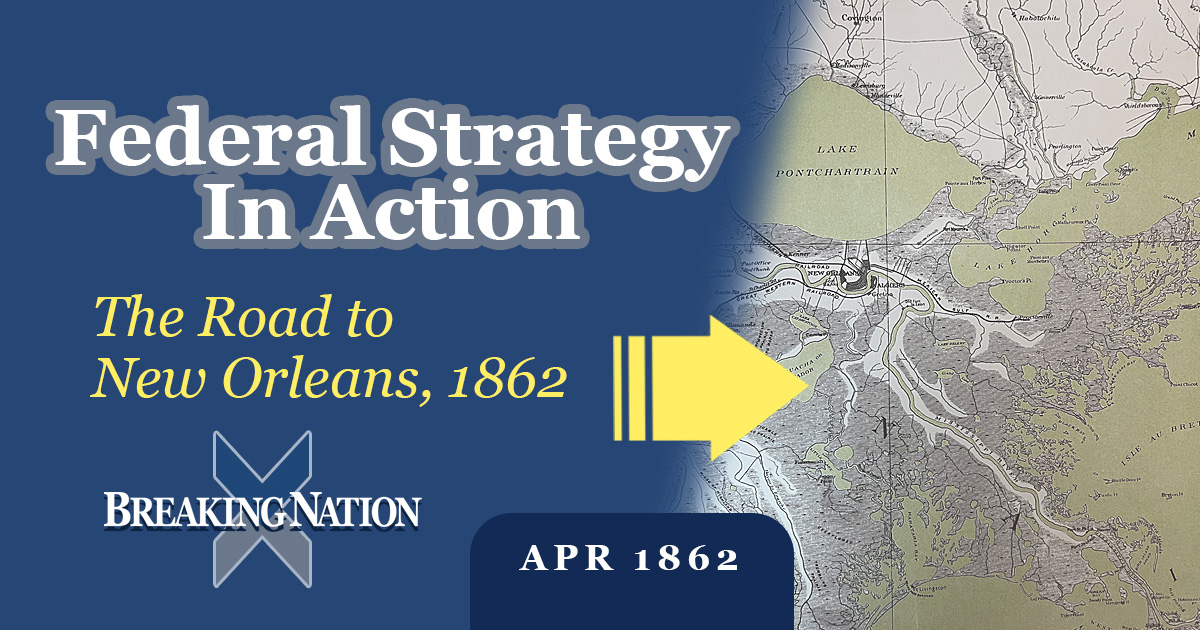
The Federal Push for the South’s Largest Port: New Orleans 1862
The Federal campaign against New Orleans in 1862 represented a crucial pivot in the Union’s strategy during the American Civil War, marking a decisive shift from purely defensive operations along the Mississippi River to a coordinated offensive aime…
April 16, 2026
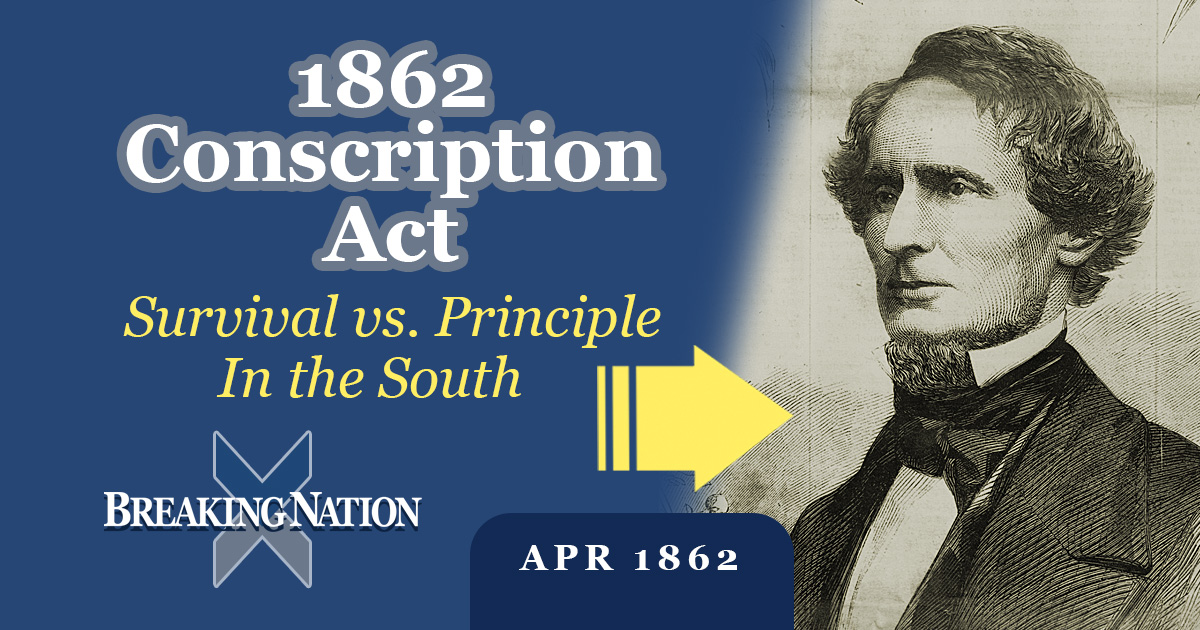
Jefferson Davis vs. States’ Rights: The Draft Controversy
On April 16, 1862, Jefferson Davis approved one of the most consequential—and controversial—laws of the Civil War: the Confederate Conscription Act. Passed by the Confederate Congress, the measure required all white males between the ages of 18 and …
April 10, 2026
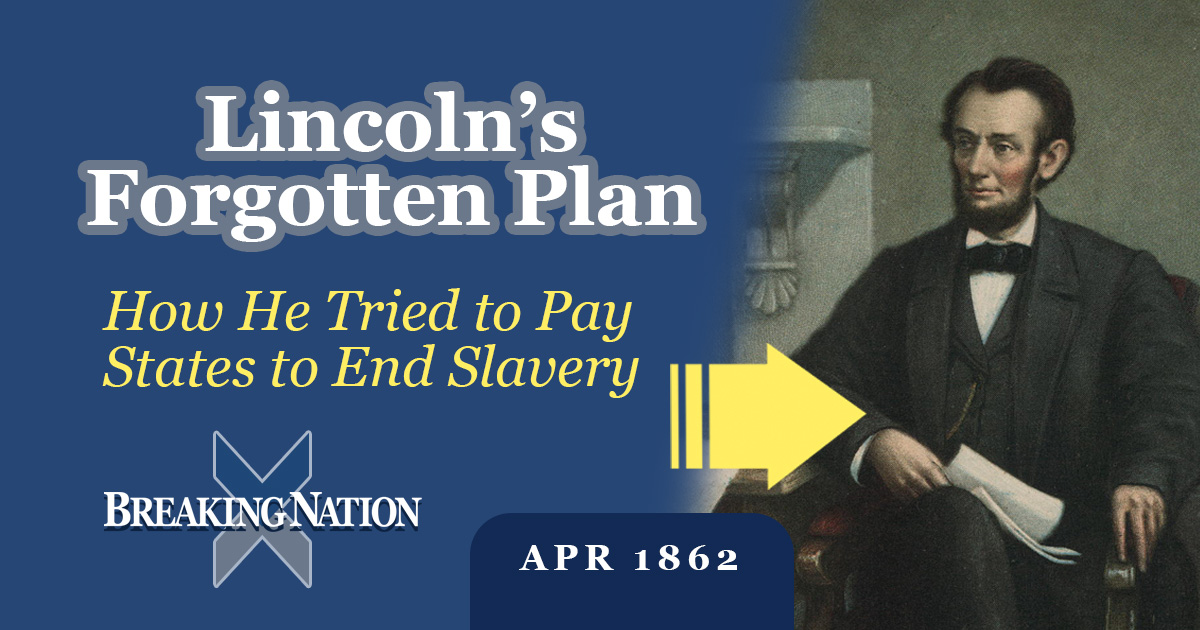
The Emancipation Plan You’ve Probably Never Heard Of
On April 10, 1862, Abraham Lincoln approved Congress’s Joint Resolution offering federal financial aid to any state that chose to adopt gradual emancipation of enslaved people. Though often overshadowed by more dramatic wartime measures, this policy…
April 6, 2026
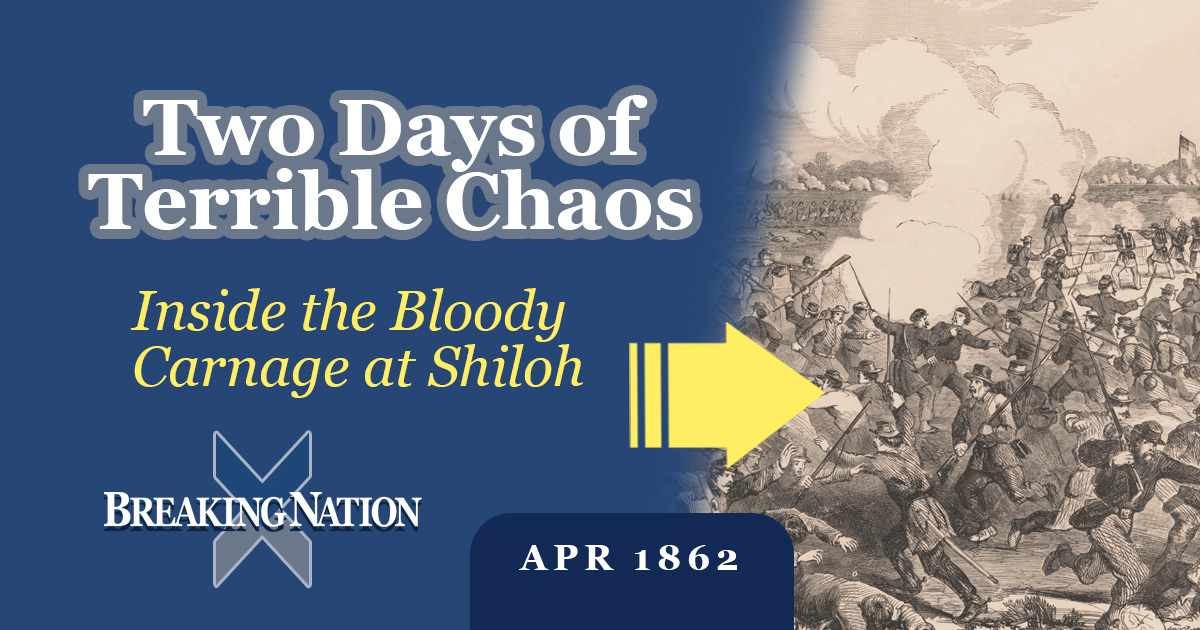
“Not War as We Knew It”: The Bloody Lesson of Shiloh
The Battle of Shiloh, fought on April 6–7, 1862, along the Tennessee River near Pittsburg Landing, marked a pivotal moment in the early Western Theater of the American Civil War. At the time, it was the bloodiest battle in American history, shocking…
March 28, 2026
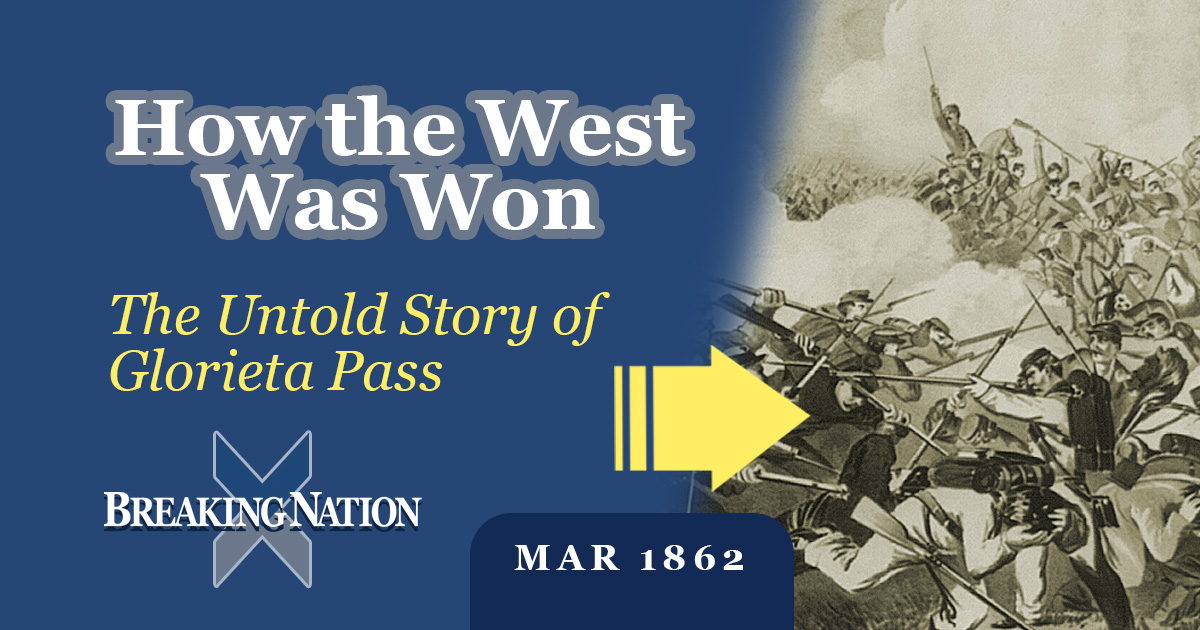
Glorieta Pass and the Collapse of Confederate Western Ambitions
The Battle of Glorieta Pass, fought March 26–28, 1862, in the New Mexico Territory, stands as one of the most strategically consequential engagements in the Civil War’s western theater. Often dubbed the “Gettysburg of the West,” its importance lies …