Blog Posts
March 24, 2026
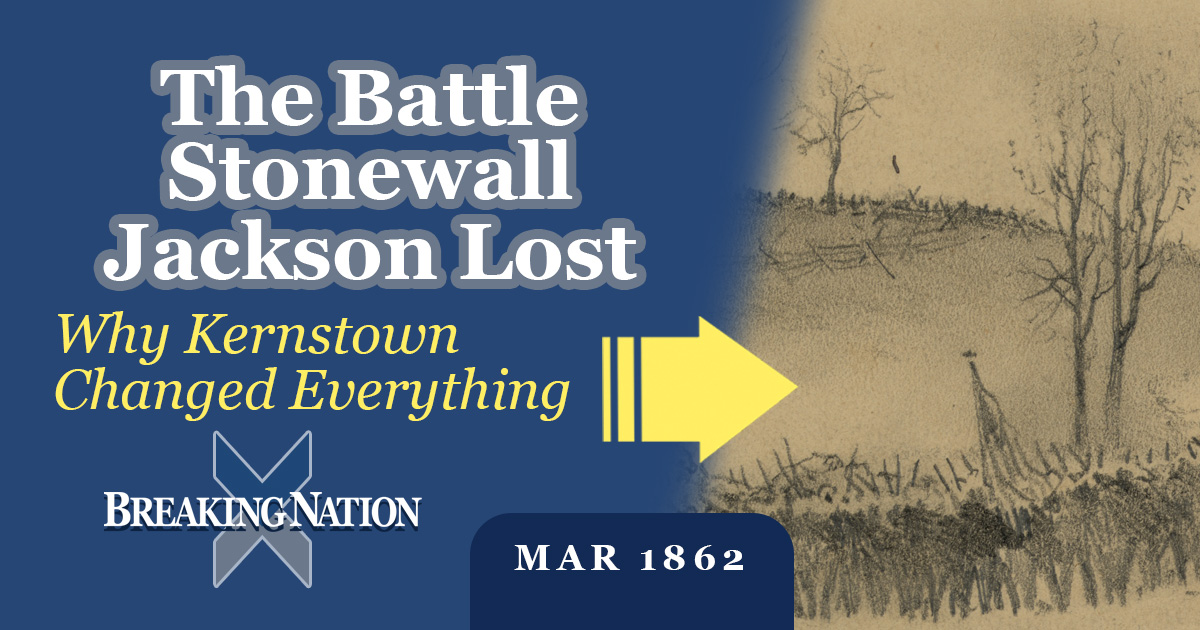
The Battle of Kernstown: When Losing Became a Strategic Victory
The Battle of Kernstown, fought on March 23, 1862, just south of Winchester in Virginia’s Shenandoah Valley, was a relatively small engagement by Civil War standards. Yet its significance far outweighed the number of soldiers involved. Although Conf…
March 20, 2026
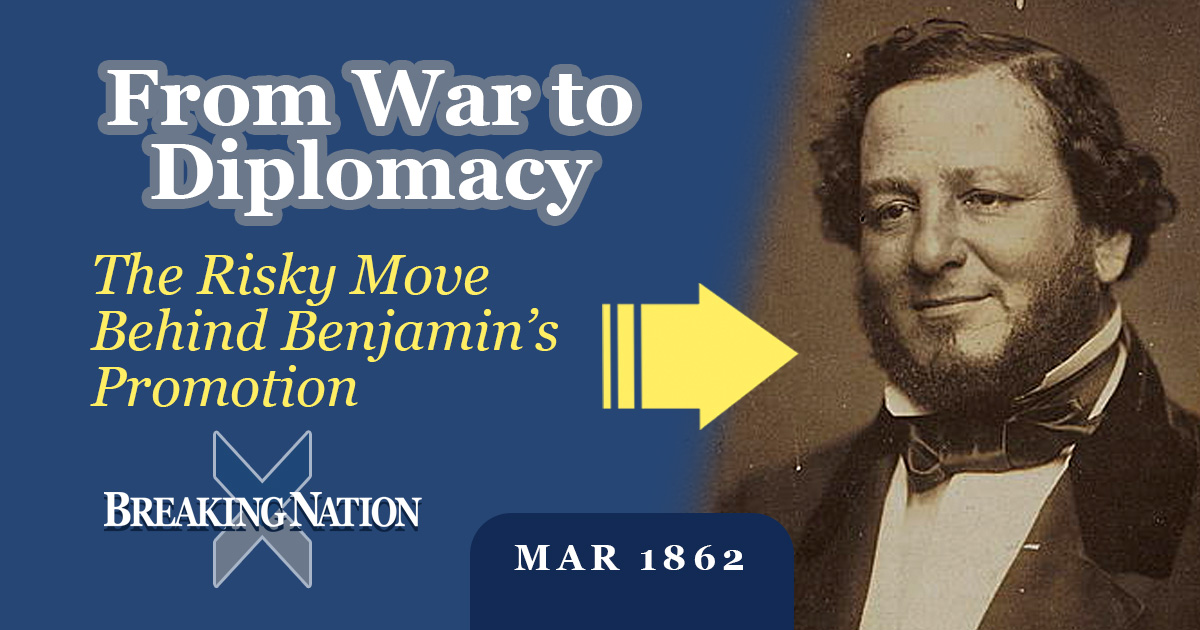
A Crisis in Richmond: Why Davis Reorganized His Cabinet
On March 18, 1862, Confederate President Jefferson Davis reshuffled his cabinet in a move that revealed both the strengths and the growing strains within the Confederate government. Two key figures were affected: Judah P. Benjamin and George W. Rand…
March 10, 2026
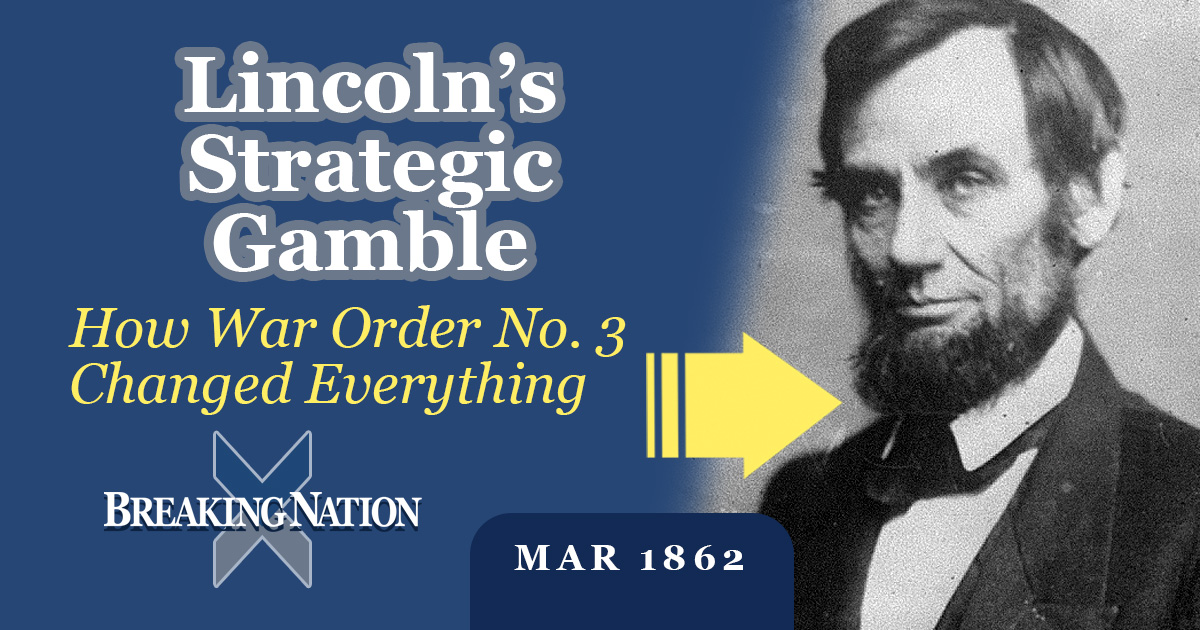
Lincoln’s War Order No. 3: The Moment That Reshaped Union High Command
On March 11, 1862, President Abraham Lincoln issued War Order No. 3, a directive that quietly but decisively reshaped Union command during the American Civil War. The order relieved George B. McClellan of his position as general-in-chief of the Unio…
March 6, 2026
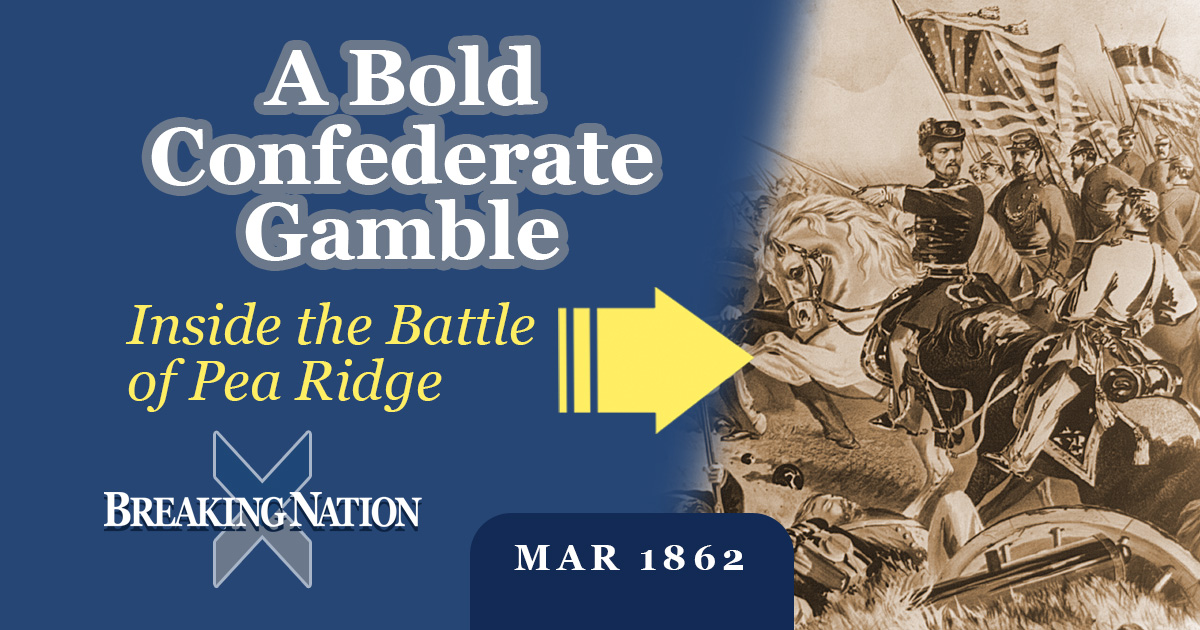
Battle of Pea Ridge: The Forgotten Civil War Victory That Secured Missouri for the Union
The Battle of Pea Ridge, fought March 7–8, 1862, in northwestern Arkansas, was one of the most consequential yet often overlooked engagements of the early Civil War. Though it occurred far from the war’s eastern headlines, the battle decisively shap…
Feb. 27, 2026
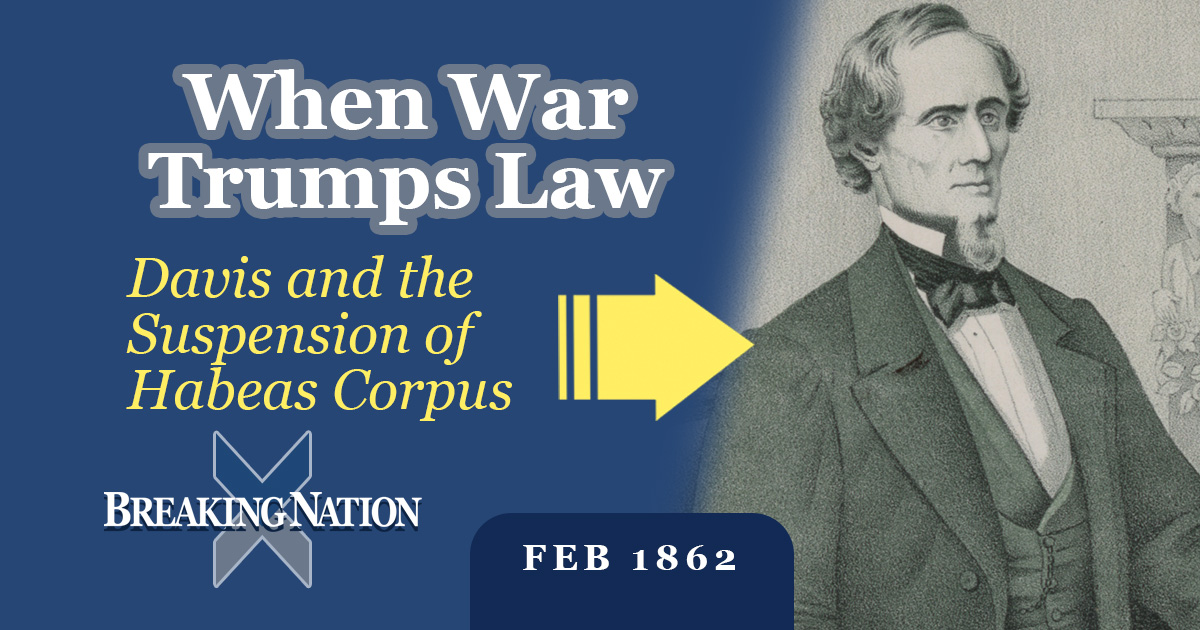
1862 Civil Liberties Clash: Davis, Congress, and Habeas Corpus
On February 27, 1862, the Confederate Congress granted President Jefferson Davis the authority to suspend the writ of habeas corpus—a move that spoke volumes about how desperate, centralized, and strained the Confederate war effort had already becom…
Feb. 24, 2026
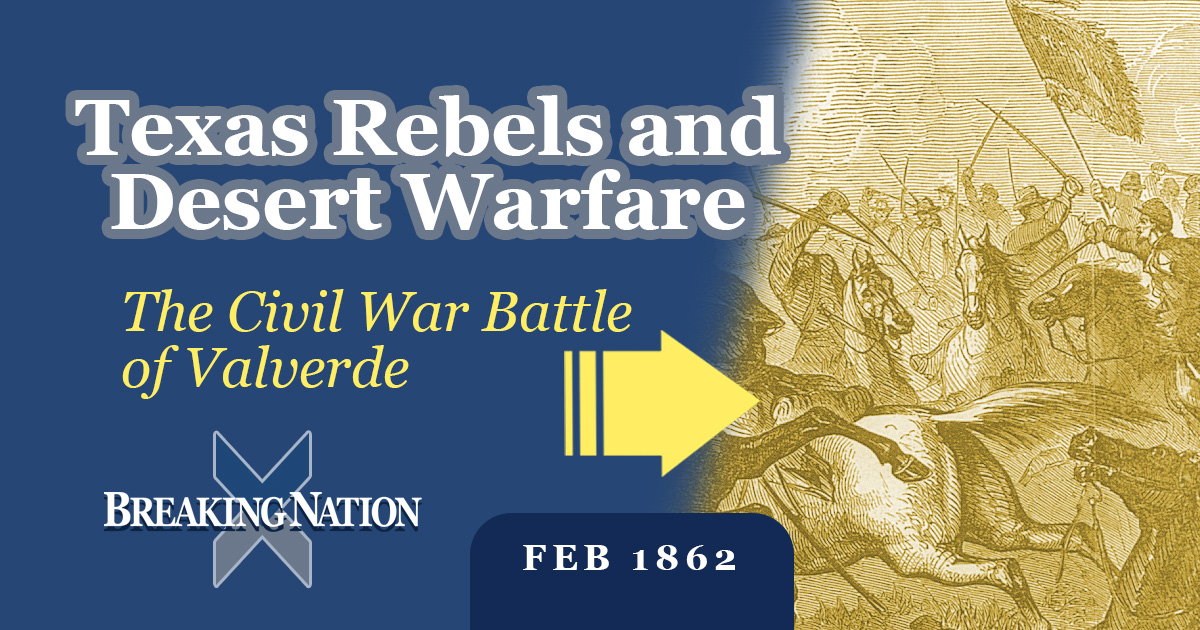
The Battle of Valverde: The Civil War in the Wild West
The Battle of Valverde, fought on February 21, 1862 along the Rio Grande in New Mexico Territory, holds an outsized significance in the Civil War despite its remote setting and relatively modest scale. It was the largest engagement of the war in the…
Feb. 20, 2026
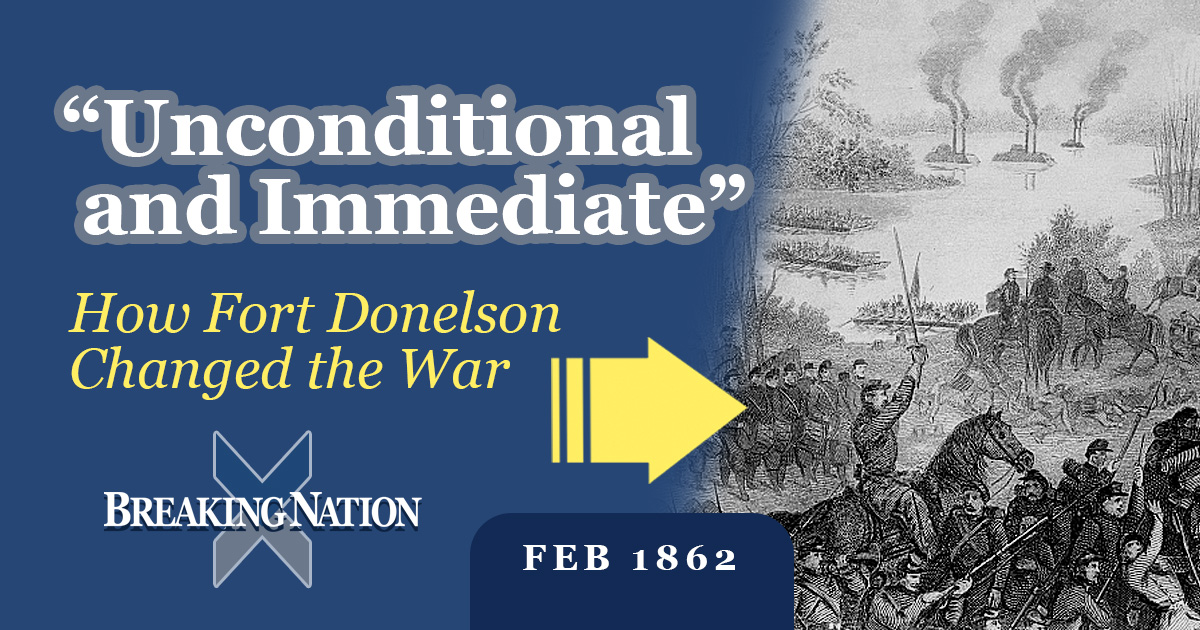
Why Fort Donelson Was the Confederacy’s First Major Disaster
The battle and surrender of Fort Donelson in February 1862 marked one of the most consequential turning points of the Civil War’s opening year. Coming on the heels of the Union capture of Fort Henry, Donelson transformed a promising western offensiv…
Feb. 10, 2026
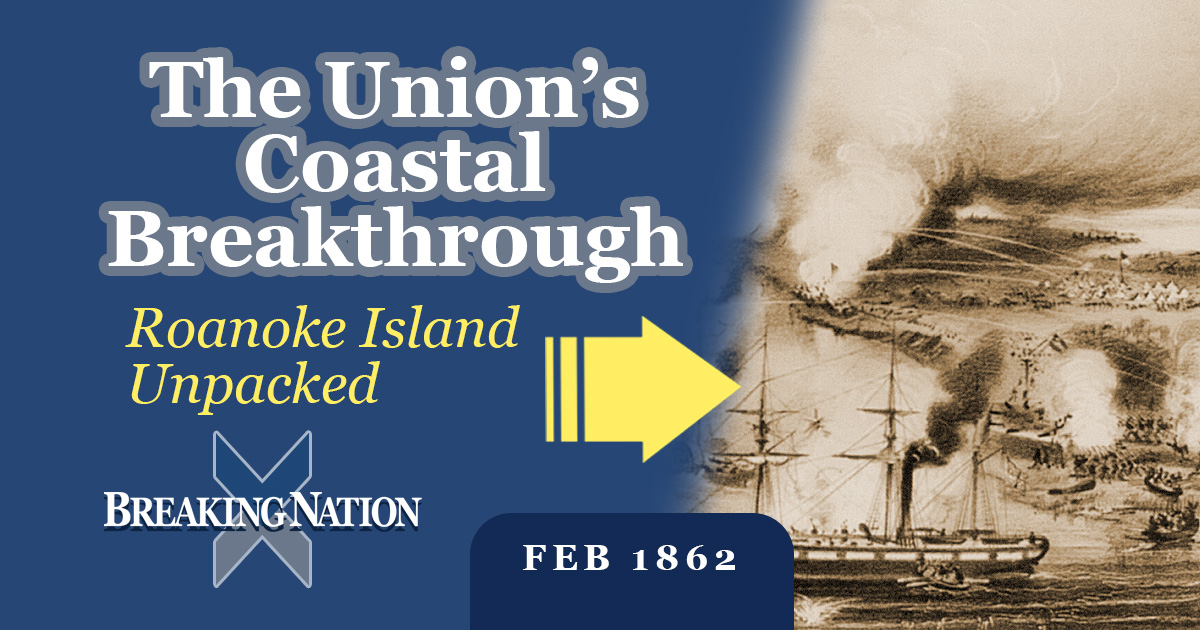
How the Battle of Roanoke Island Cracked the Confederate Coast
The Battle of Roanoke Island, fought on February 8, 1862, was a small engagement by Civil War standards, but its significance far outweighed its size. Often overshadowed by larger battles unfolding in Virginia and the Western Theater, Roanoke Island…
Feb. 6, 2026
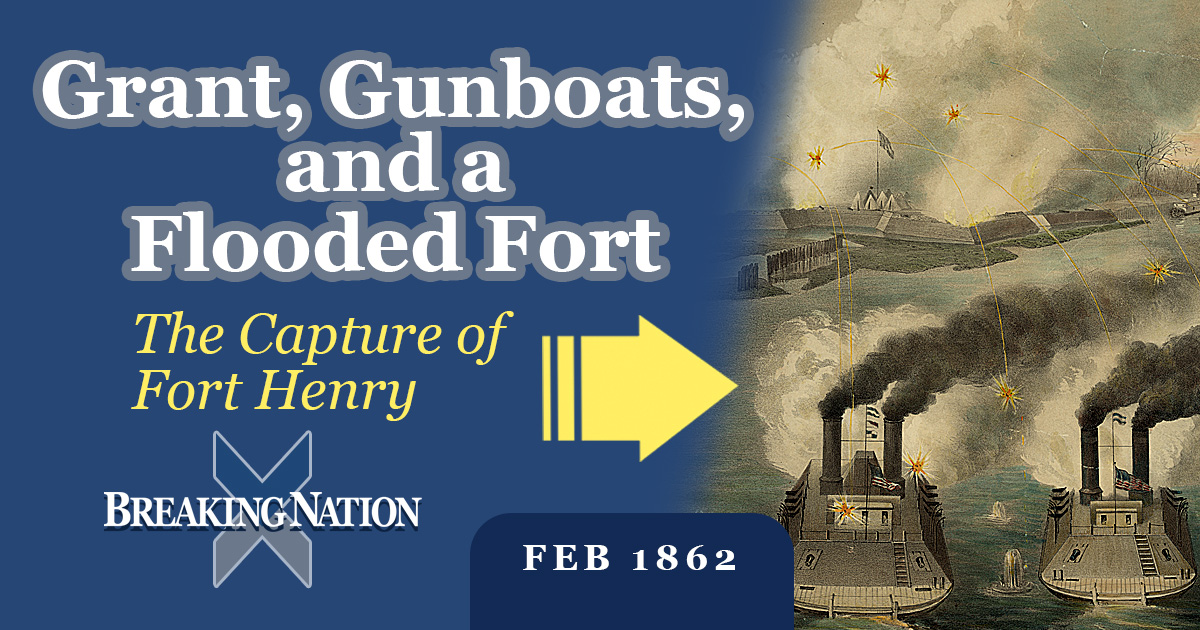
How Fort Henry Opened the Door to Union Victory in the West
The surrender of Fort Henry, Tennessee, on February 6, 1862, marked one of those deceptively small moments in the Civil War that carried outsized strategic consequences. On paper, Fort Henry was a modest Confederate earthwork on the Tennessee River.…
Feb. 3, 2026
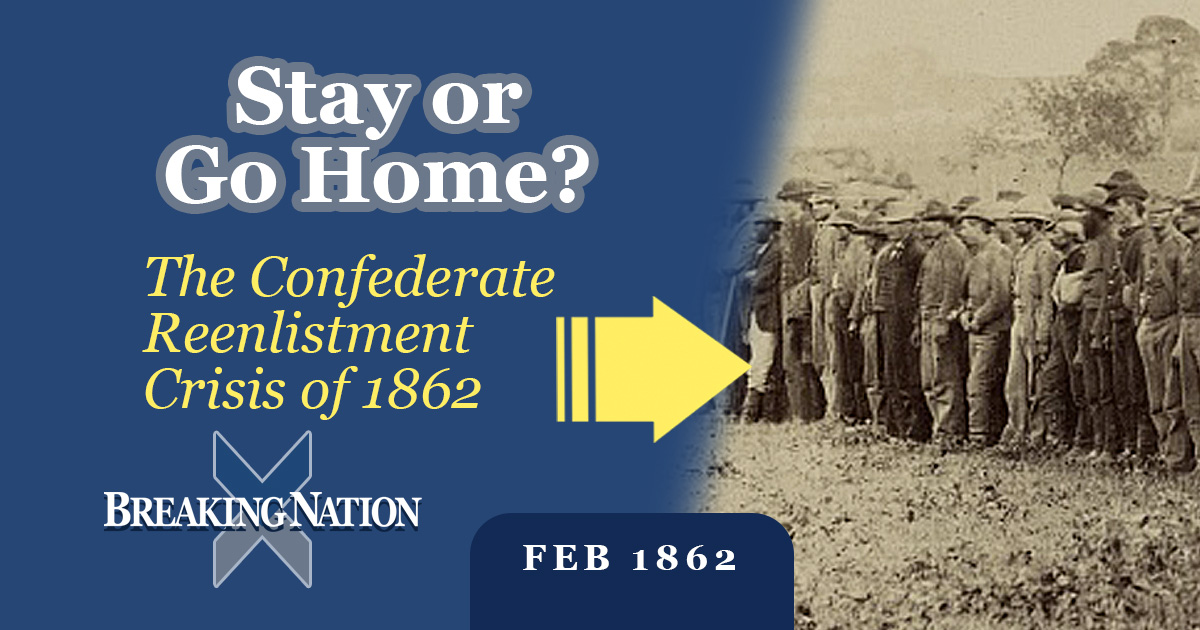
When the Confederacy Begged Its Soldiers to Stay
In February 1862, Confederate generals faced a crisis that threatened to unravel their armies just as the war was intensifying. Most Confederate soldiers had enlisted for twelve months in the flush of enthusiasm following secession, confident the co…
Jan. 27, 2026
Lincoln’s Push for Unified Action in the Civil War
On January 27, 1862, President Abraham Lincoln issued General War Order No. 1, a directive that may seem like a footnote in Civil War history but carries significant strategic weight. The order called for a coordinated Union offensive, combining lan…
Jan. 23, 2026
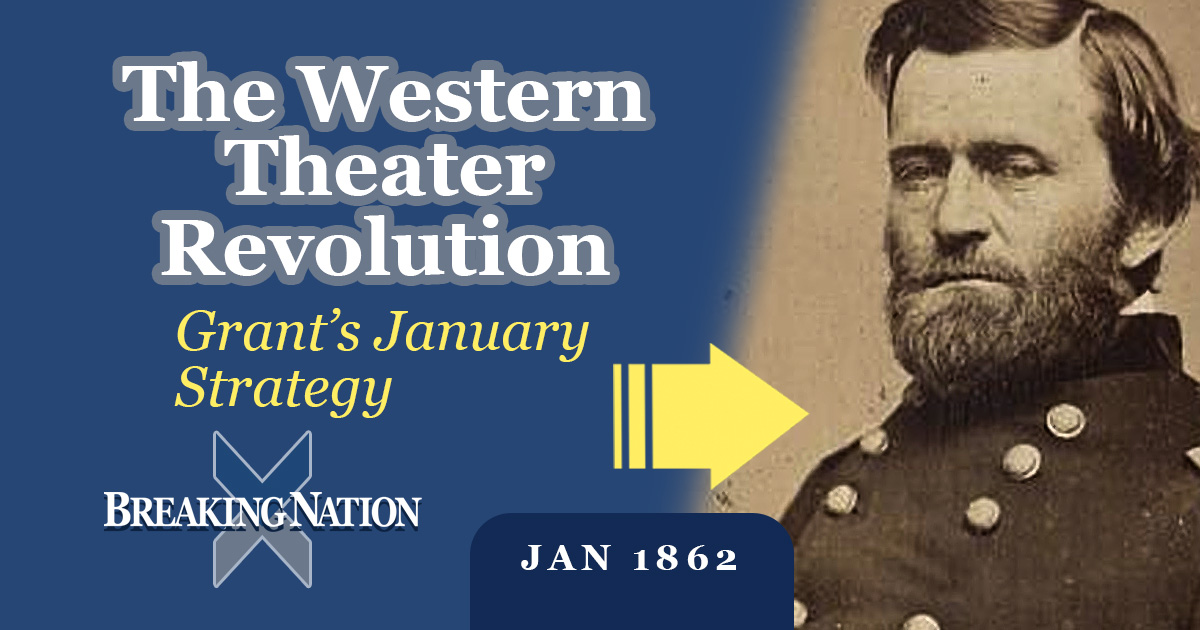
January 1862: When Grant Quietly Seized the Initiative
In January 1862, Ulysses S. Grant’s actions in Kentucky marked a quiet but decisive turning point in the Western Theater of the Civil War. While eastern newspapers fixated on George McClellan’s ponderous Army of the Potomac, Grant was doing somethin…
Jan. 20, 2026
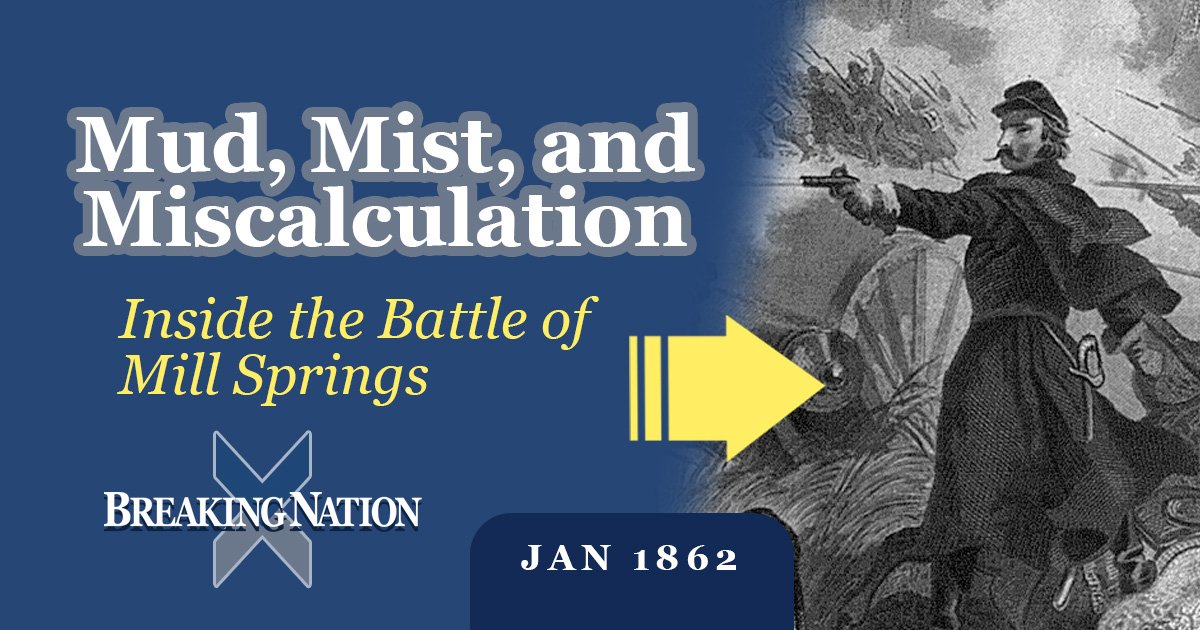
How Mill Springs Gave the North Hope in the Dark Winter of 1862
The Battle of Mill Springs, fought on January 19, 1862, occupies a modest place in popular Civil War memory, but its significance—especially at the time—was substantial. Coming in the dark early months of the war, when Union fortunes often seemed bl…
Jan. 13, 2026
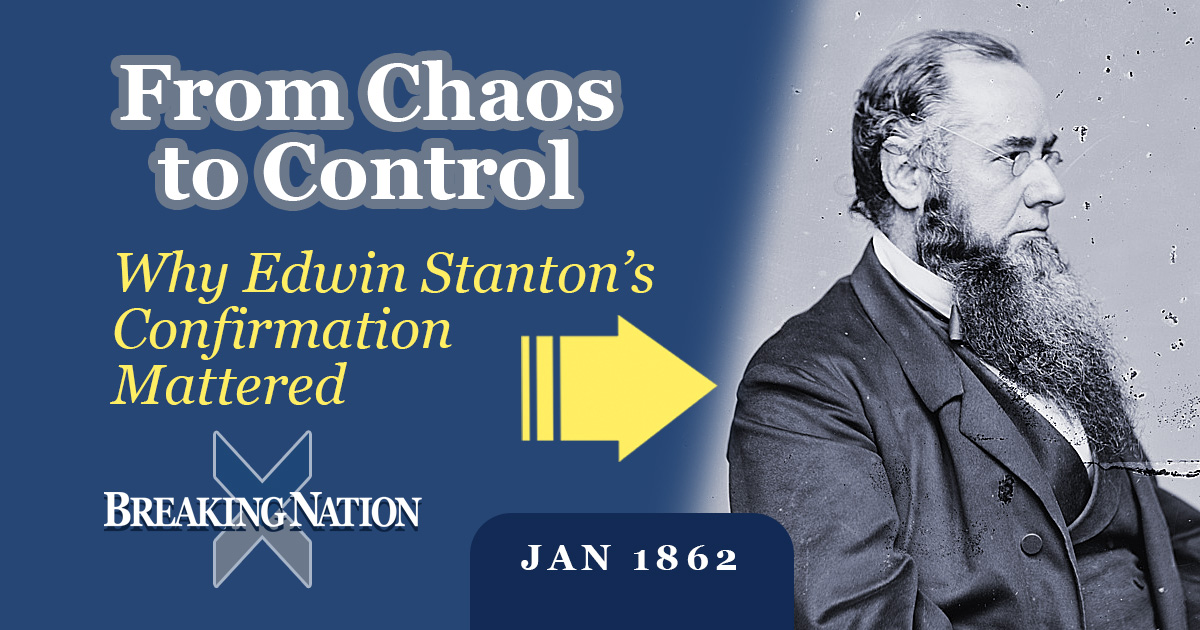
Edwin Stanton and the Birth of a Hard-Driving Union War Machine
The Senate’s confirmation of Edwin M. Stanton as Secretary of War on January 15, 1862 marked one of the most consequential administrative decisions of the American Civil War. At a moment when the Union war effort seemed adrift—plagued by delays, ind…
Jan. 9, 2026
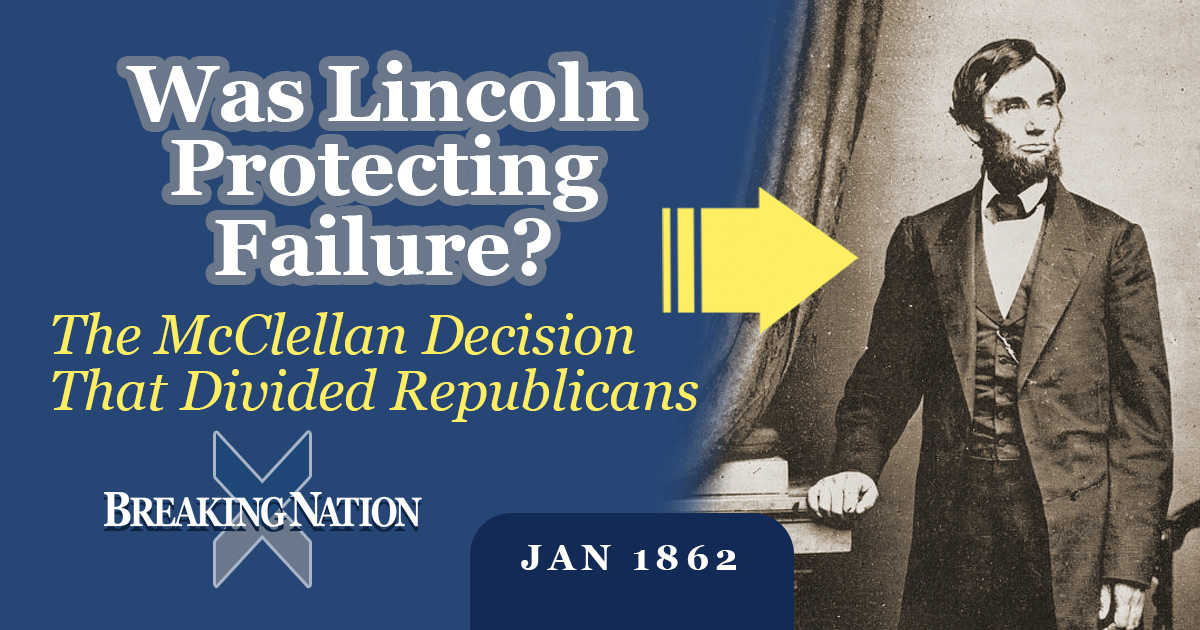
Why Lincoln Refused to Fire McClellan When His Own Party Demanded It
President Abraham Lincoln’s decision on January 6, 1862, to reject a move by Radical Republican senators to force the removal of Major General George B. McClellan was a revealing moment in the political and military balancing act of the Civil War. A…
Dec. 23, 2025
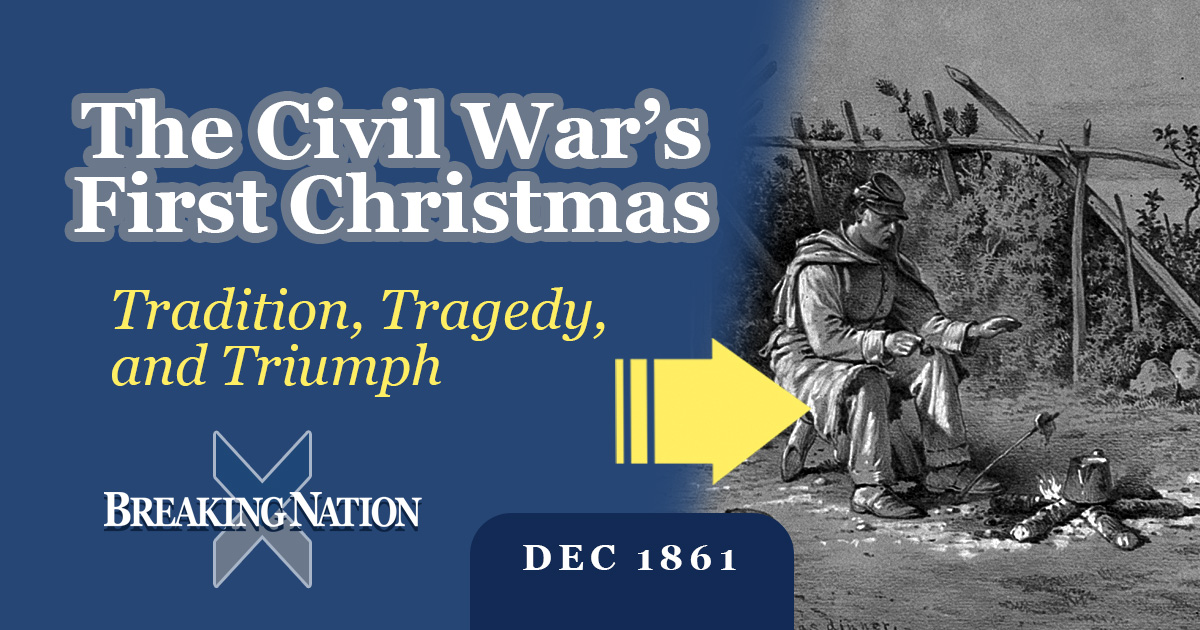
From Campfires to Parlors: Christmas 1861 Across America
The first Christmas of the American Civil War, celebrated in December 1861, carried a significance far deeper than the routine observance of a holiday. It marked the moment when Americans—North and South alike—faced the collision between familiar tr…

Dec. 12, 2025
Did Prince Albert of Britain Prevent a U.S.–British War in 1861?
Prince Albert’s death on December 14, 1861, came at a moment when the Atlantic world was already vibrating with tension from the Trent Affair, and the timing alone shapes much of its historical significance. The American seizure of Confederate envoy…
Dec. 9, 2025
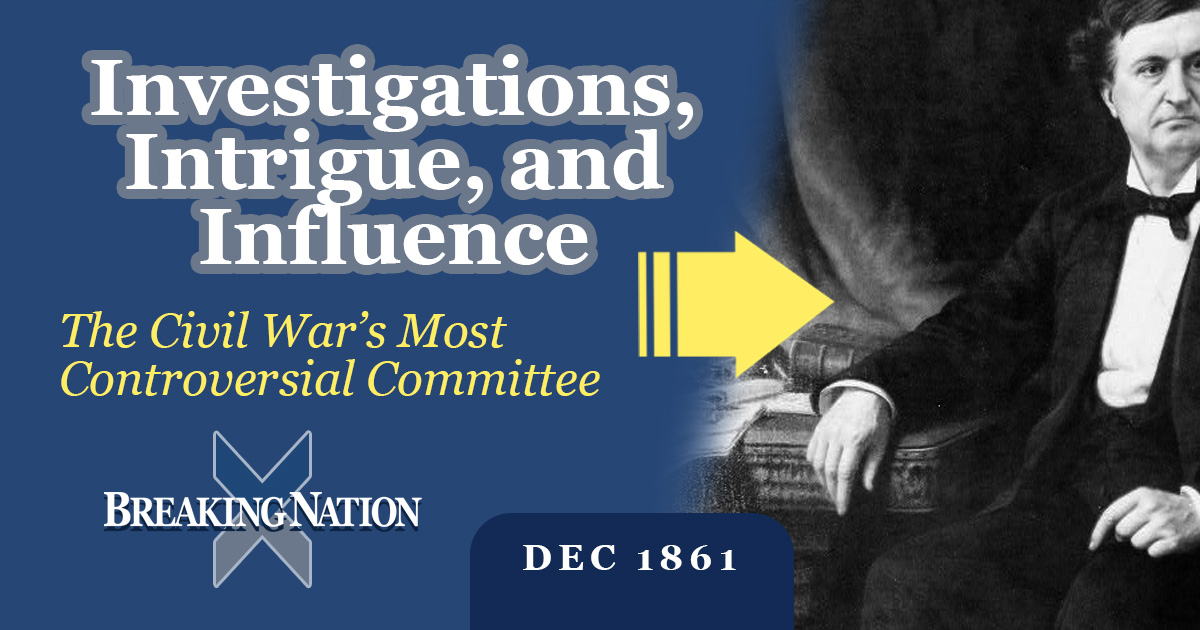
Why Generals Feared the Joint Committee on the Conduct of the War
The creation of the Joint Committee on the Conduct of the War on December 9, 1861, marked one of the most consequential political interventions in the Union war effort—an attempt by Congress to assert oversight, shape military strategy, and channel …
Dec. 5, 2025
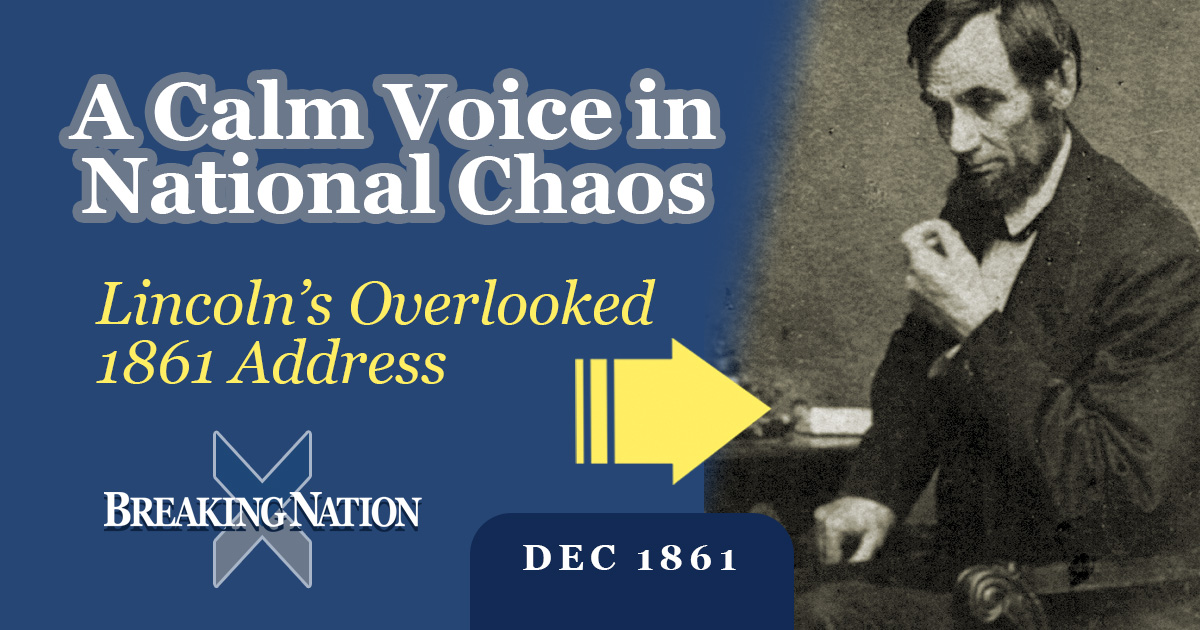
The Forgotten Lincoln Speech That Quietly Changed the Civil War
President Lincoln’s State of the Union message on December 3, 1861, delivered in the darkest early months of the Civil War, stands out as one of the most consequential presidential communications of the era. Though overshadowed by later, more quotab…
Nov. 25, 2025
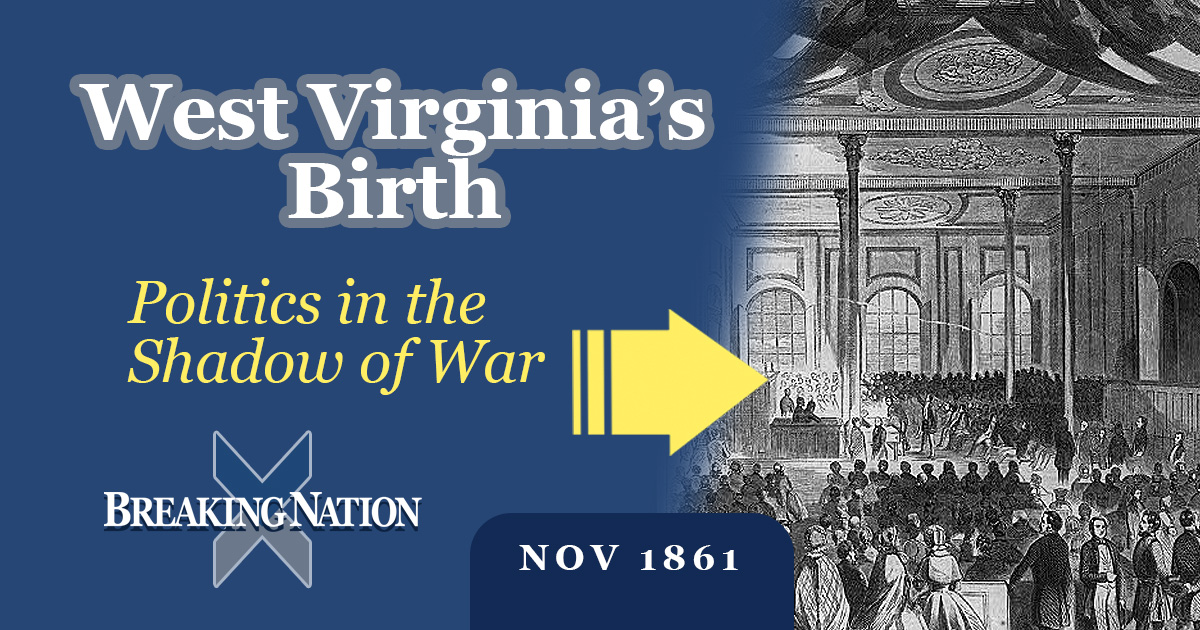
Wheeling’s Bold Stand: Loyalty, Law, and Liberty
The Wheeling Convention of November 1861 stands as one of the most pivotal yet often overlooked moments in the Civil War, setting the stage for the creation of West Virginia and reshaping the Union’s political map. While the Confederacy was consolid…
Nov. 14, 2025
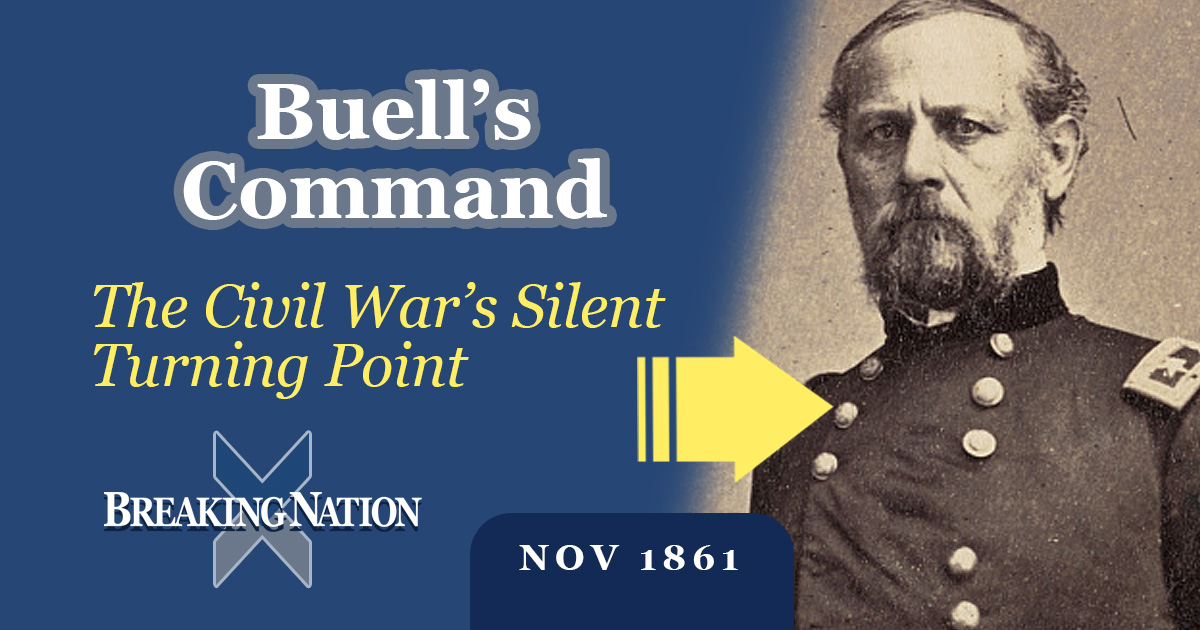
Buell’s Department: A Quiet Force in a Tumultuous War
When General Don Carlos Buell assumed command of the newly created Department of the Ohio on November 15, 1861, the Union war effort entered a crucial transitional moment. The early months of the Civil War had been marked by confusion, rivalry among…
Nov. 13, 2025
Season 2 Episode 1 – Little Napoleons
Season 2 of Breaking Nation: A Civil War Podcast opens in the tense, uncertain spring of 1861—a moment when the fate of the United States hung by a thread. The guns of Fort Sumter have just fallen silent, their smoke still drifting over Charleston H…
Nov. 11, 2025
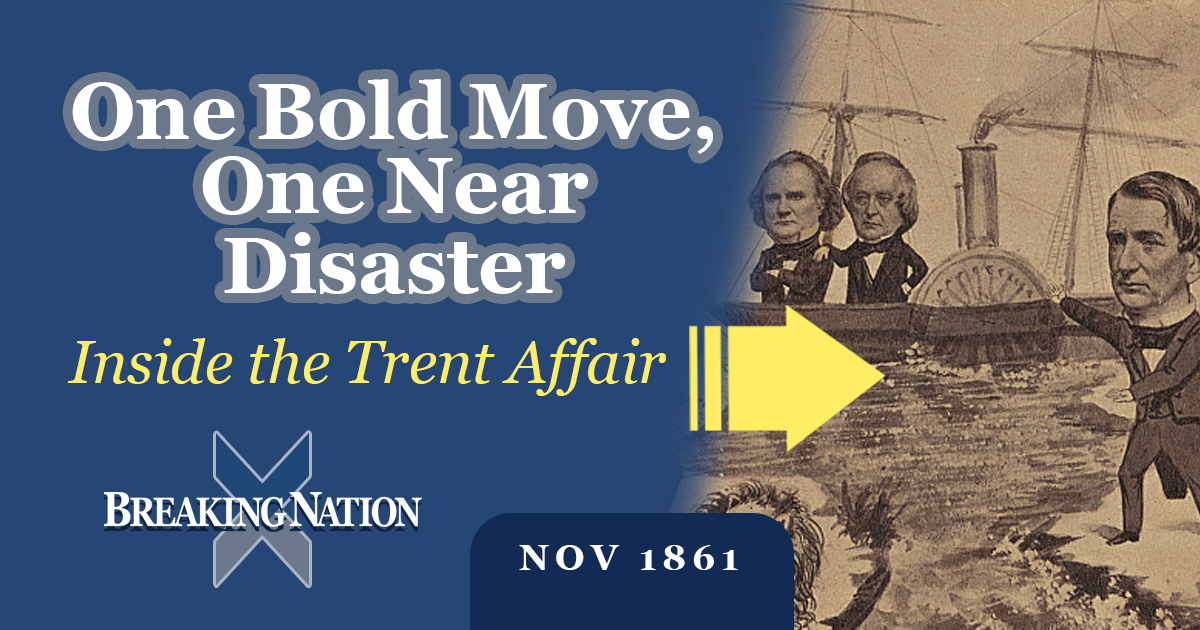
The Trent Affair Uncovered: Britain's Brush with the Union
The Trent Affair, unfolding in November 1861, was one of the earliest and most dangerous diplomatic crises of the American Civil War. It began when the U.S. Navy’s Captain Charles Wilkes stopped the British mail steamer RMS Trent in the Caribbean an…
Nov. 7, 2025
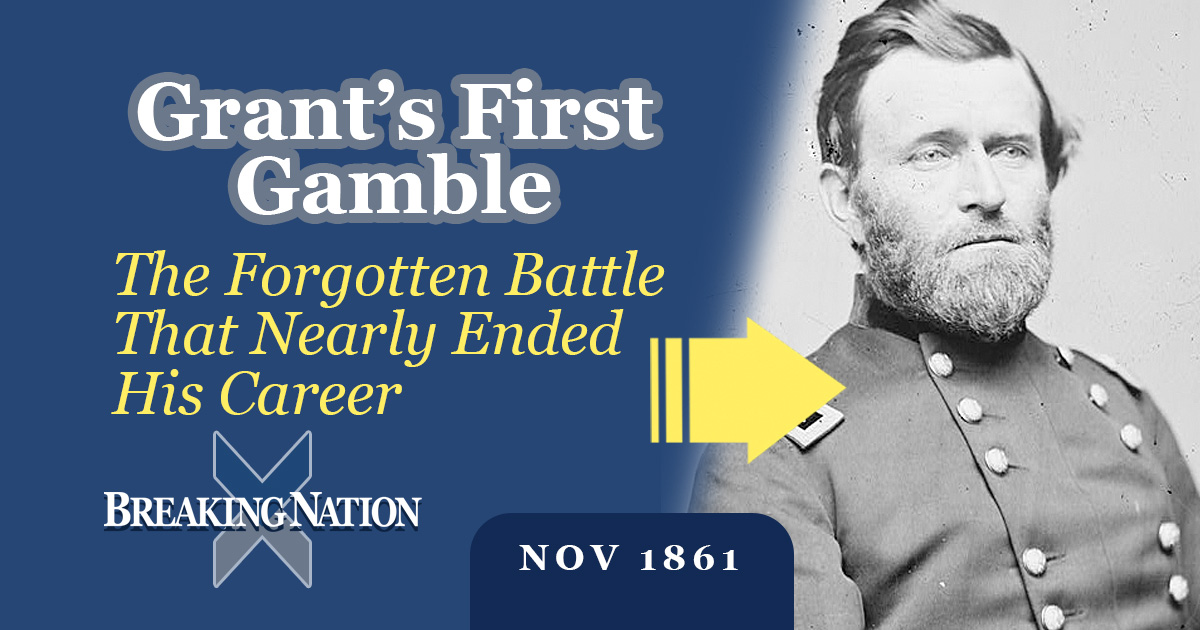
Grant's Daring Strike at Belmont: How a Near-Disaster Forged a Commander
The Battle of Belmont, fought on November 7, 1861, in southeastern Missouri, was the first combat test for Brigadier General Ulysses S. Grant and an early glimpse of the qualities that would later define his command style. Though small in scale comp…