Why Cross Keys and Port Republic Matter More Than You Think
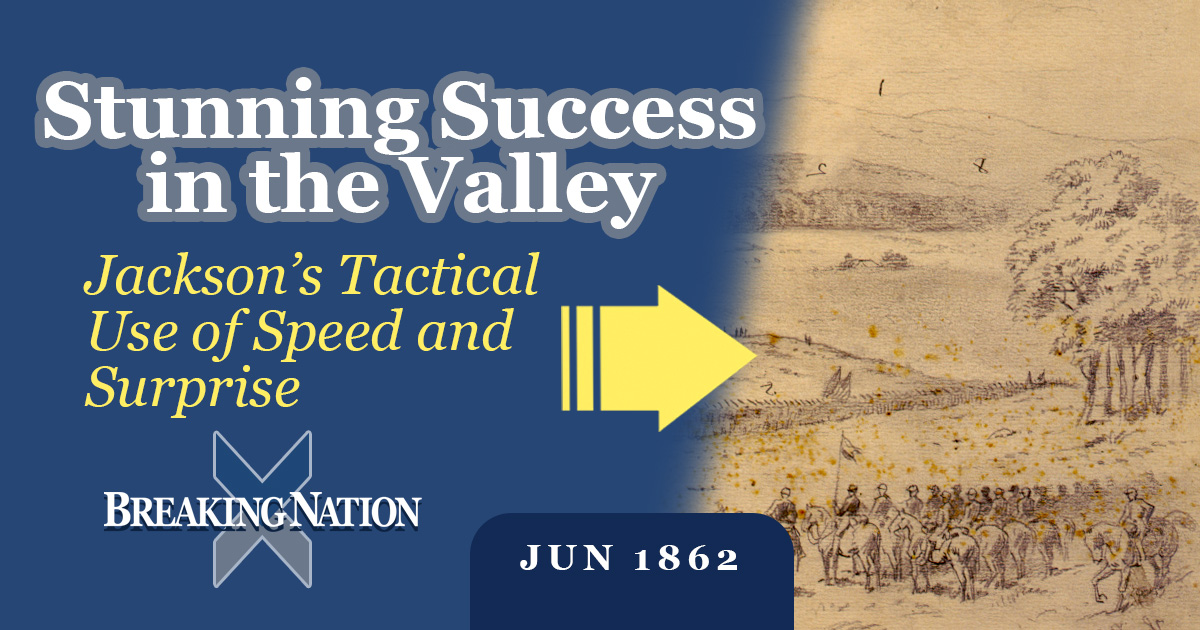
The twin battles of Cross Keys and Port Republic, fought on June 8–9, 1862, marked the dramatic conclusion of Confederate General Thomas J. Jackson’s celebrated Shenandoah Valley Campaign. Although neither battle ranks among the largest engagements of the American Civil War, their combined significance far exceeded the number of soldiers involved. Together, they demonstrated Jackson’s mastery of maneuver warfare, secured Confederate control of the Shenandoah Valley, and helped alter Union strategy during a critical phase of the conflict.
The Battle of Cross Keys on June 8 saw Confederate forces under Major General Richard S. Ewell successfully hold off a larger Union force commanded by Major General John C. Frémont. While the fighting itself was relatively limited, Ewell’s defensive success prevented Frémont from joining forces with another Union army advancing nearby. This set the stage for Jackson’s decisive move the following day.
On June 9, Jackson concentrated his forces against Major General Erastus B. Tyler’s troops near Port Republic. The Confederates launched aggressive attacks that eventually drove Union forces from the field. Once victory was secured, Jackson burned the bridge across the South Fork of the Shenandoah River, preventing Union armies from combining against him. By defeating his opponents separately, he achieved a classic military objective: destroying the enemy’s ability to coordinate and concentrate superior numbers.
The broader significance of these victories lay in their strategic consequences. Throughout the spring of 1862, Jackson’s rapid movements through the Shenandoah Valley had alarmed Union leaders, including President Abraham Lincoln. Concerned that Jackson might threaten Washington, Lincoln diverted tens of thousands of Union troops away from Major General George B. McClellan’s Peninsula Campaign against Richmond. The victories at Cross Keys and Port Republic capped a campaign that successfully tied down much larger Federal forces and prevented them from reinforcing McClellan at a crucial moment.
Military historians often view these battles as textbook examples of operational art. Jackson used speed, secrecy, and interior lines to defeat multiple enemies who were unable to cooperate effectively. The campaign elevated his reputation as one of the Confederacy’s most capable field commanders and became a model studied by military leaders long after the Civil War ended.
In short, Cross Keys and Port Republic were significant not because of their scale, but because of their strategic impact. They completed one of the most successful campaigns of the war and demonstrated how skillful leadership could compensate for numerical disadvantage.
Breaking Nation: A Civil War Podcast explores the American Civil War, its turning points, and our national memory. Discover full episodes, transcripts, and resources at www.breakingnation.com — your destination for in-depth Civil War podcast content and fresh perspectives on America’s past. Listen on Apple Podcasts, Spotify and Amazon Music.
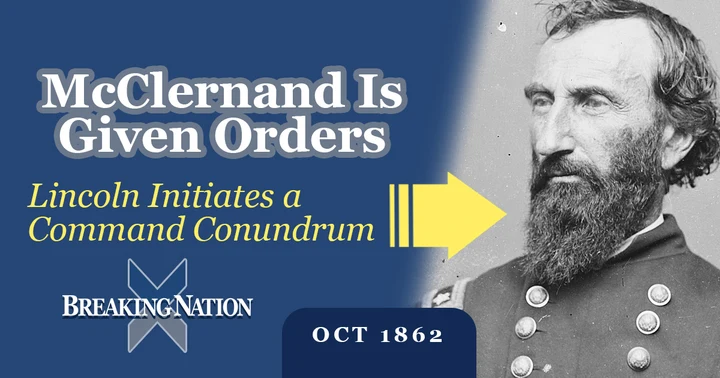
Lincoln’s Order That Put McClernand on a Collision Course with Grant