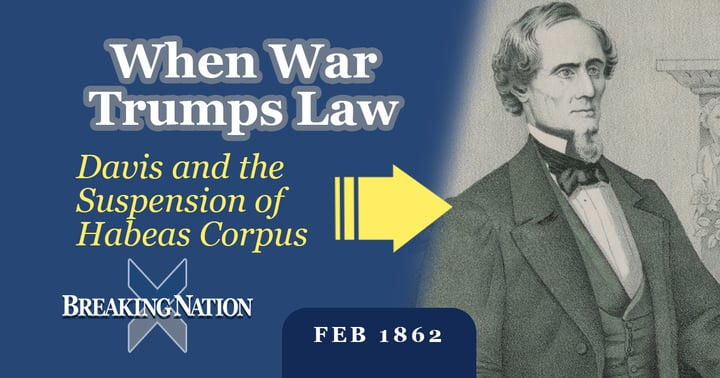
A Crisis in Richmond: Why Davis Reorganized His Cabinet
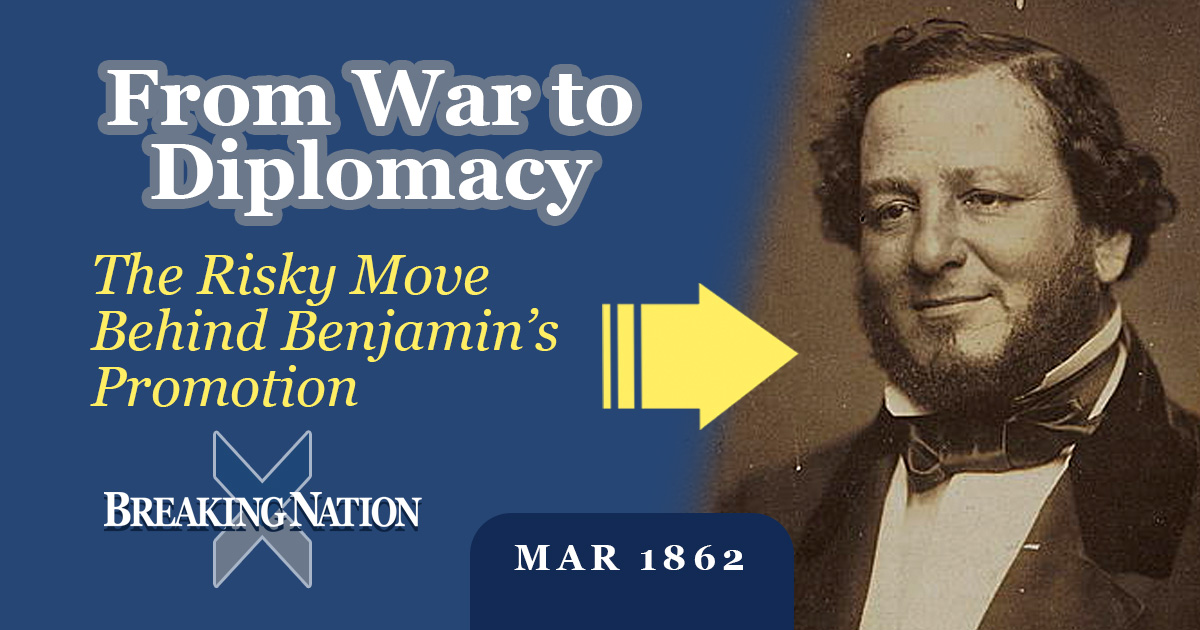
On March 18, 1862, Confederate President Jefferson Davis reshuffled his cabinet in a move that revealed both the strengths and the growing strains within the Confederate government. Two key figures were affected: Judah P. Benjamin and George W. Randolph. Benjamin was transferred from Secretary of War to Secretary of State, while Randolph was appointed Secretary of War. Though seemingly a routine administrative change, the shift carried important political and military implications for the Confederacy during a critical phase of the war.
Benjamin’s move reflected both controversy and confidence. As Secretary of War, he had endured intense criticism following a string of Confederate setbacks in early 1862, including the loss of key positions in the Western Theater such as Battle of Fort Donelson. Many Confederate politicians and newspapers blamed the War Department for poor coordination and preparation. Benjamin, who had little formal military experience, became an easy target. Yet Jefferson Davis continued to trust him deeply. Rather than dismissing him outright, Davis reassigned Benjamin to the State Department, demonstrating his belief in Benjamin’s political intelligence, administrative skill, and loyalty.
Benjamin’s appointment as Secretary of State was significant because Confederate diplomacy was entering a crucial period. The South desperately hoped for recognition or assistance from European powers, particularly United Kingdom and France. Benjamin, a skilled lawyer and gifted communicator, was well suited to managing the delicate diplomatic messaging required to convince foreign governments that the Confederacy was a viable and legitimate nation. Although the Confederacy would ultimately fail to secure formal recognition, Benjamin’s tenure marked a renewed effort to refine the South’s international strategy.
At the same time, George W. Randolph’s appointment as Secretary of War represented a shift toward stronger military administration. Randolph, a former U.S. Army officer and grandson of Thomas Jefferson, brought both military credibility and aristocratic prestige to the role. Unlike Benjamin, Randolph had practical military experience, and many Confederates hoped he would bring greater organization and discipline to the War Department at a moment when the Confederacy faced mounting Union pressure on multiple fronts.
The cabinet reshuffle also illustrated Jefferson Davis’s governing style. Rather than discarding trusted advisers under political pressure, Davis tended to reposition them. By keeping Benjamin within the cabinet while installing Randolph at the War Department, Davis attempted to balance loyalty, competence, and public perception.
In the broader context of the war, the March 1862 cabinet changes came at a moment when the Confederacy was transitioning from early optimism to a more defensive posture. Military defeats, expanding Union offensives, and increasing logistical demands forced the Confederate government to adapt. The reassignment of Benjamin and the elevation of Randolph therefore signaled an effort—however imperfect—to strengthen both the Confederacy’s military administration and its diplomatic outreach during one of the most precarious periods of the conflict.
Breaking Nation: A Civil War Podcast explores the American Civil War, its turning points, and our national memory. Discover full episodes, transcripts, and resources at www.breakingnation.com — your destination for in-depth Civil War podcast content and fresh perspectives on America’s past. Listen on Apple Podcasts, Spotify and Amazon Music.
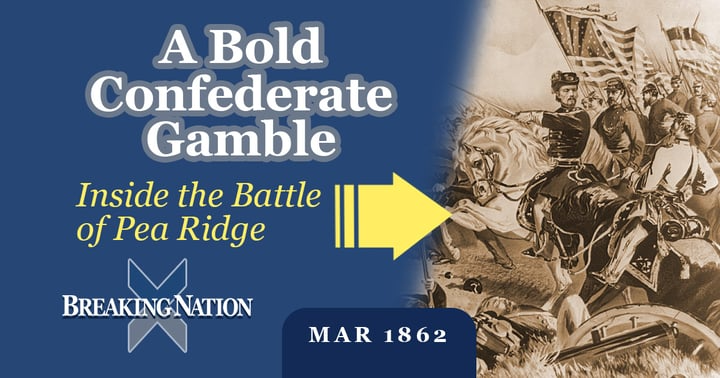
Battle of Pea Ridge: The Forgotten Civil War Victory That Secured Missouri for the Union